- Gross motor skills – the larger muscles groups controlling large motions such as shoulders and biceps making sweeping arm gestures.
- Fine motor skills – the smallest movements made through twiches and short muscle movements.
- Tools – when making small movements with the finger tips, this can transfer to large motions in a tool. When the tool, such as a pen tip is making small motions, the muscle movement must be tiny.
Using a pen, create a route from start to finish, as neatly as possible.
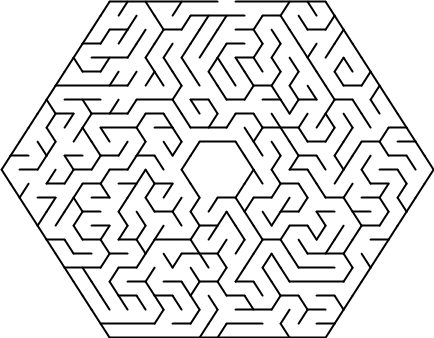
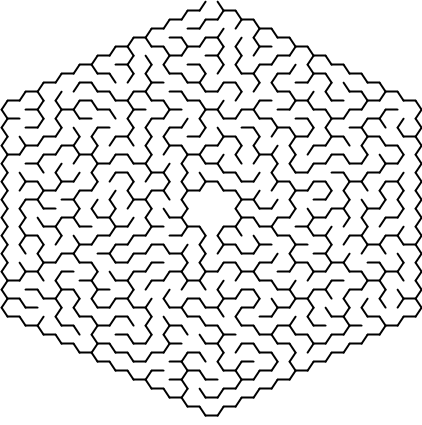
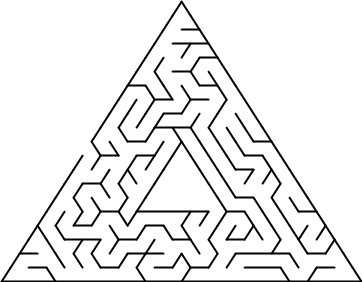
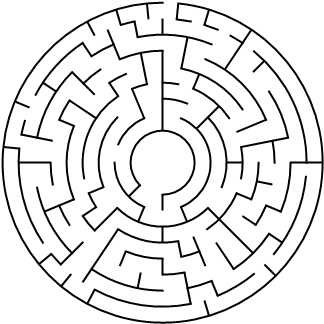
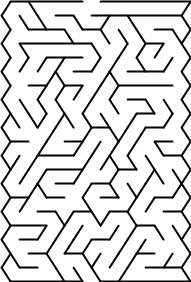
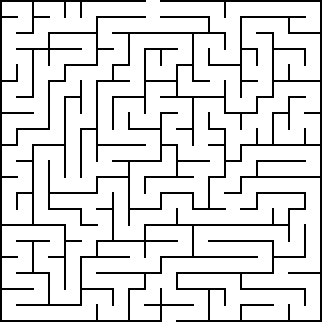
Create more at: Maze Generator
Using a pen, highlighter or pencil, create a route between cities in this landscape:

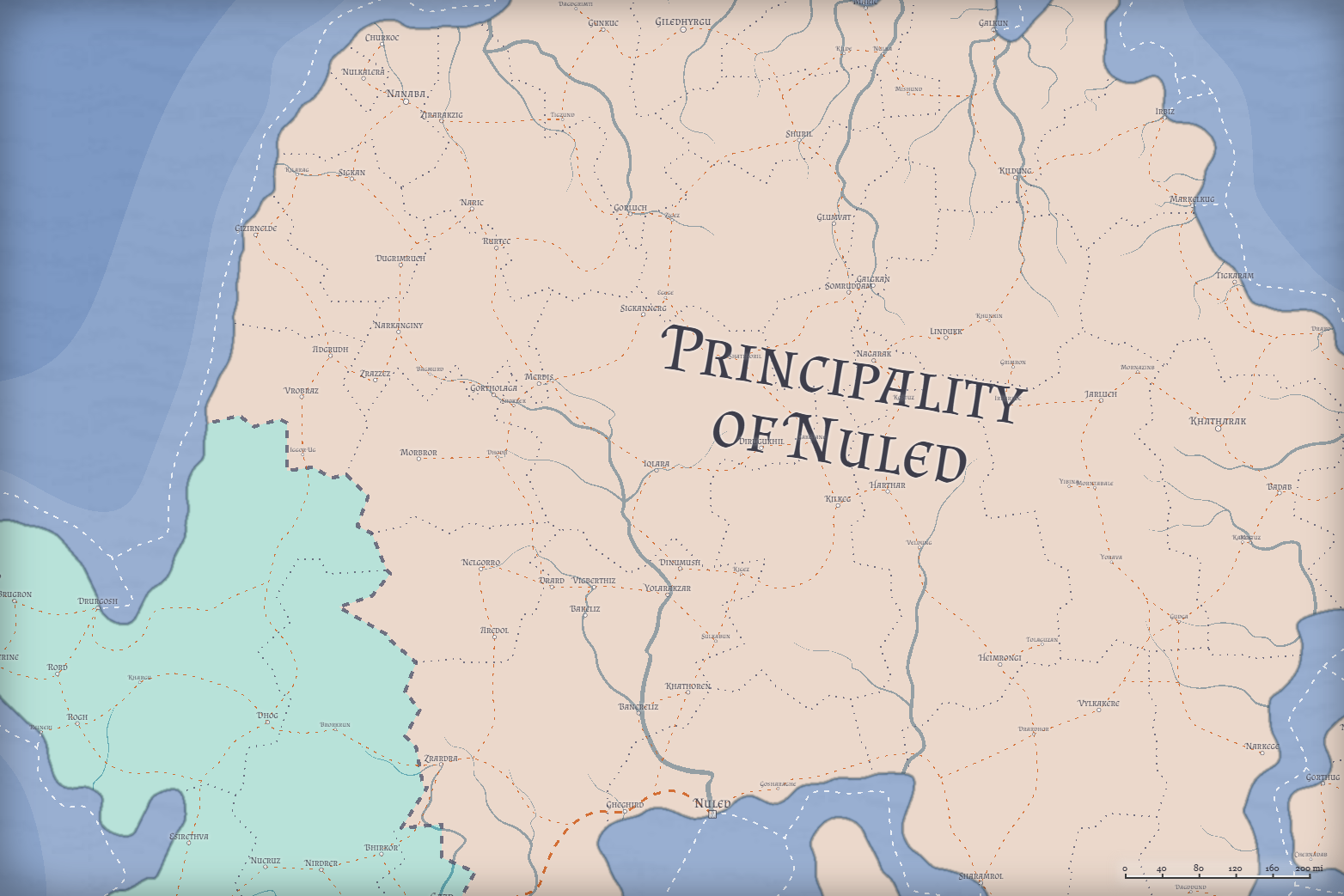

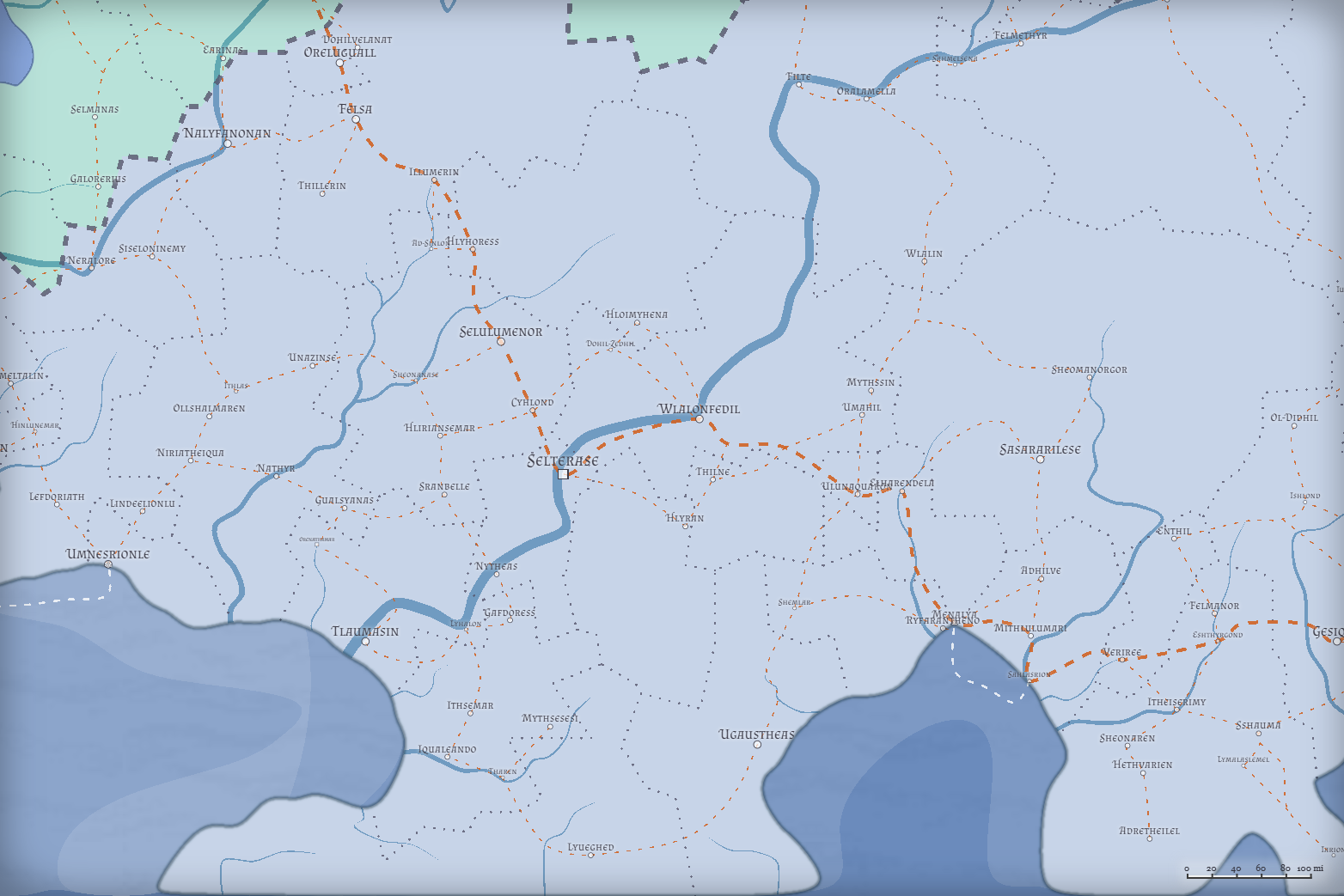
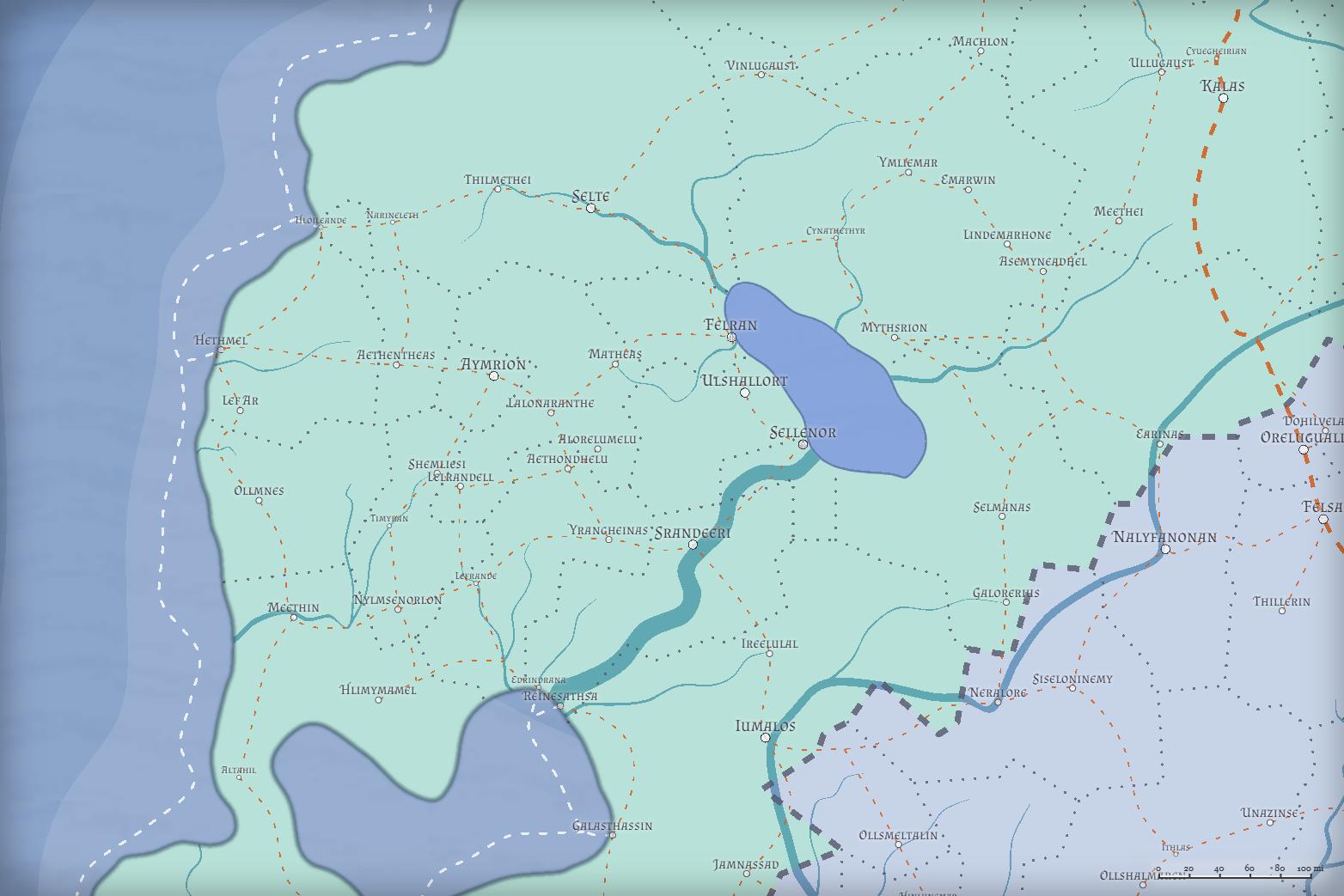
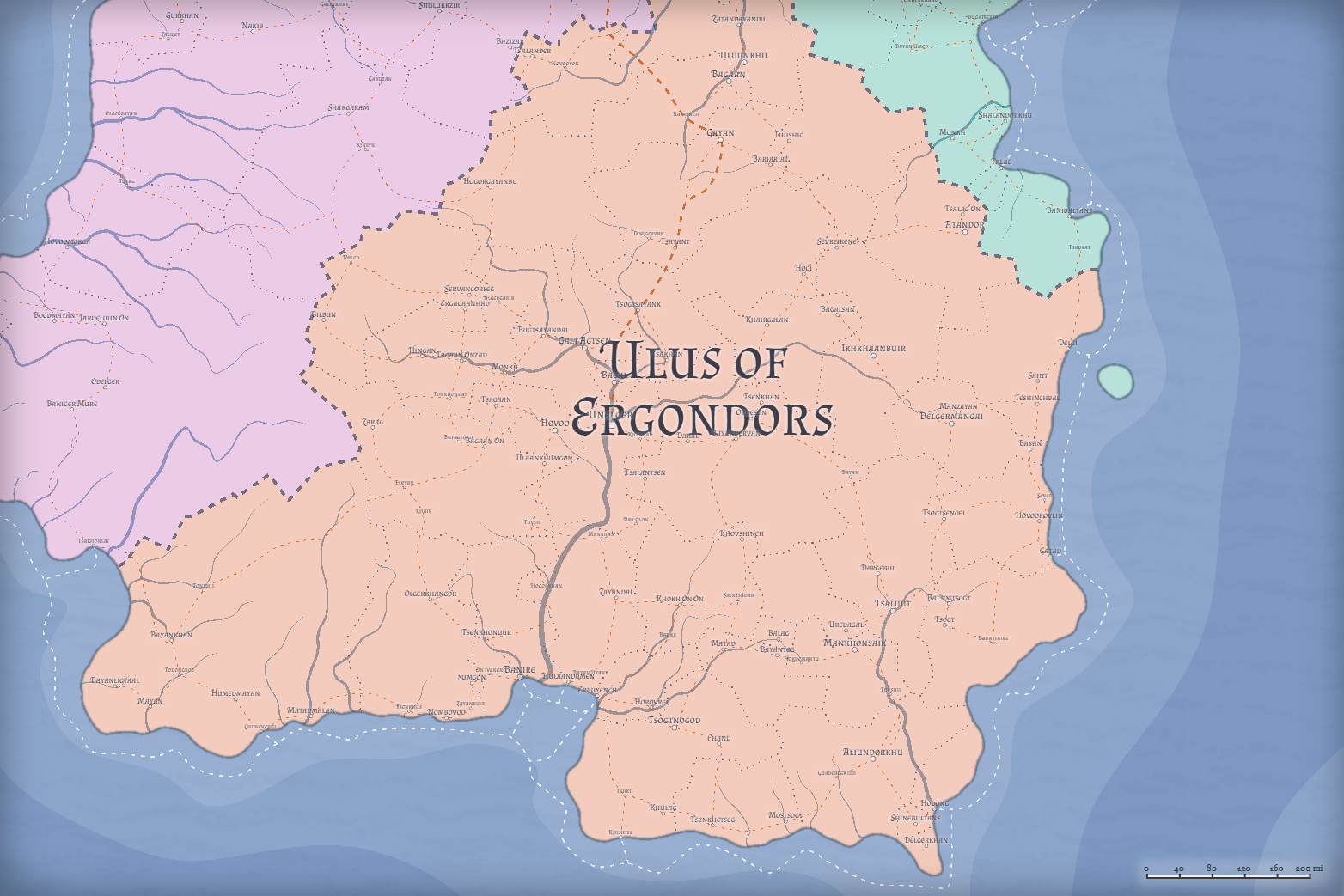
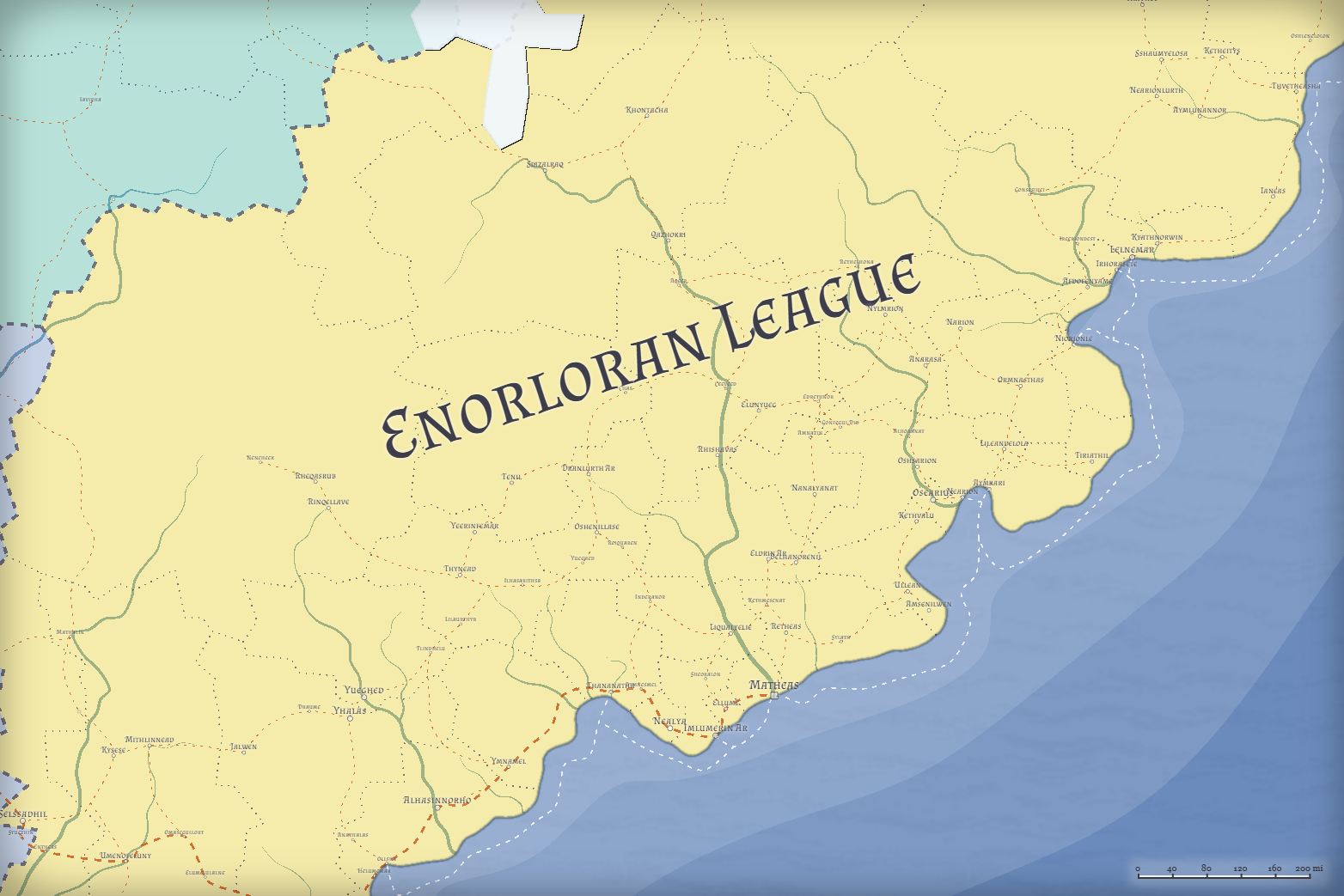
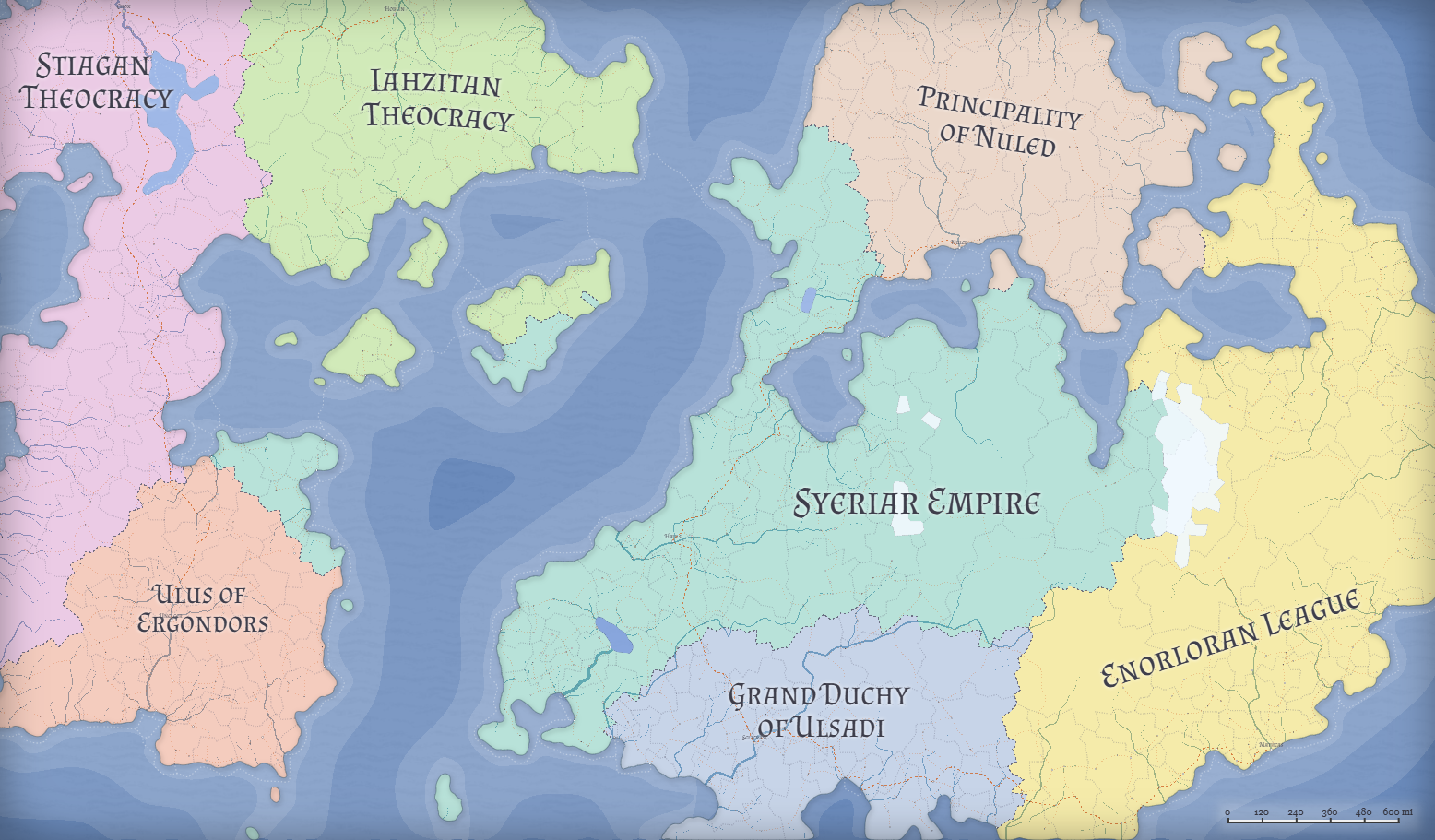
Create more at: Azgaar’s Fantasy Map Generator
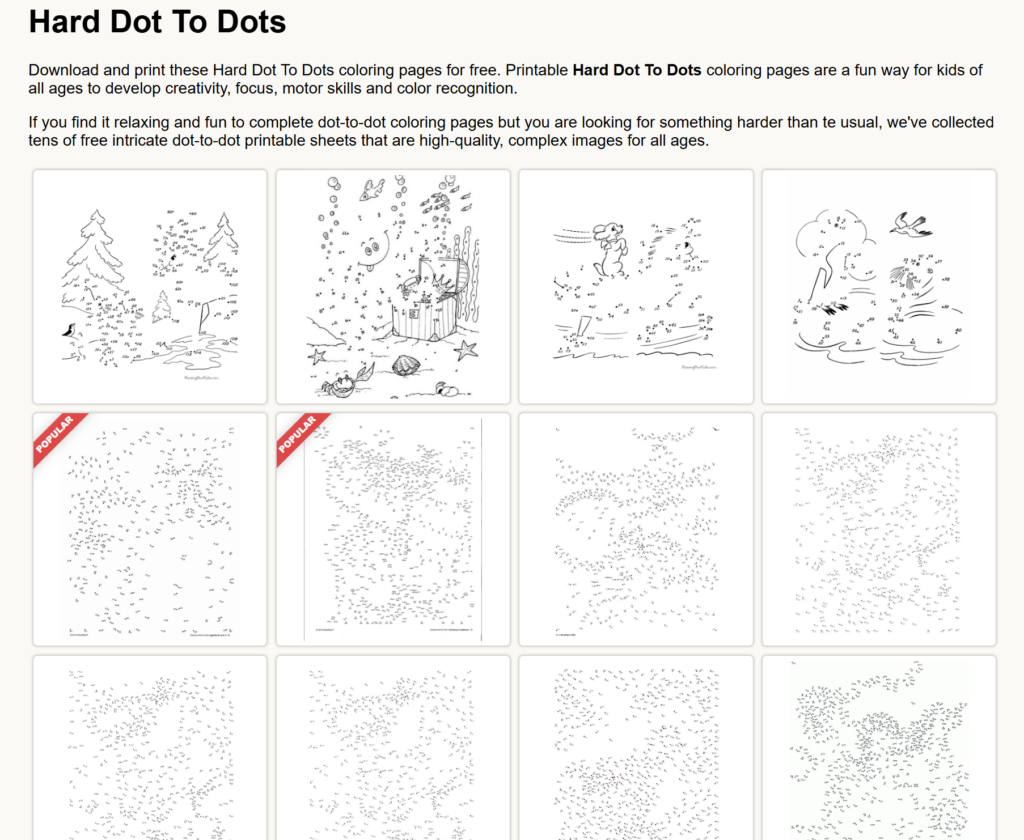
Dot to dot is a great way to build fine motor skill and reading focus, click to go to this website, print some designs and spend some time just focusing on your hand movements and focus!
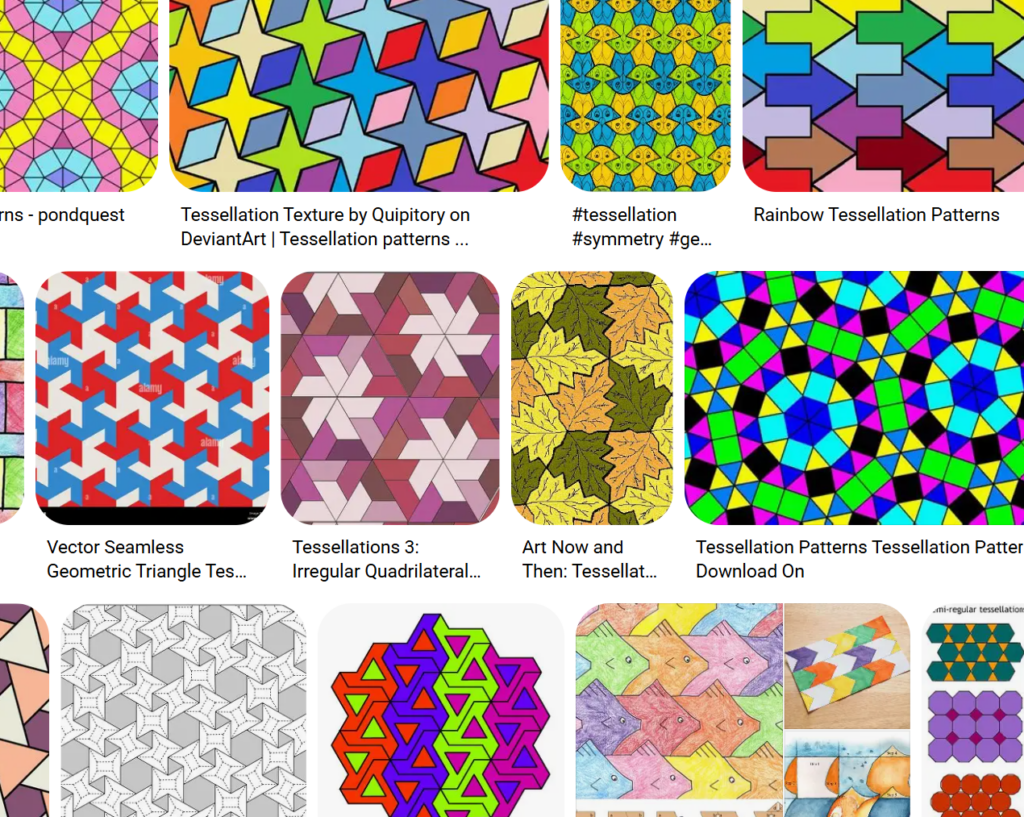
For this task you will need some grid paper. Create a shape and mimic this repeatedly – if they fit together they are tessellating. The aim is to create your pattern carefully and keep each shape identical to the next. You can search online for tessellating shapes and start your pattern.
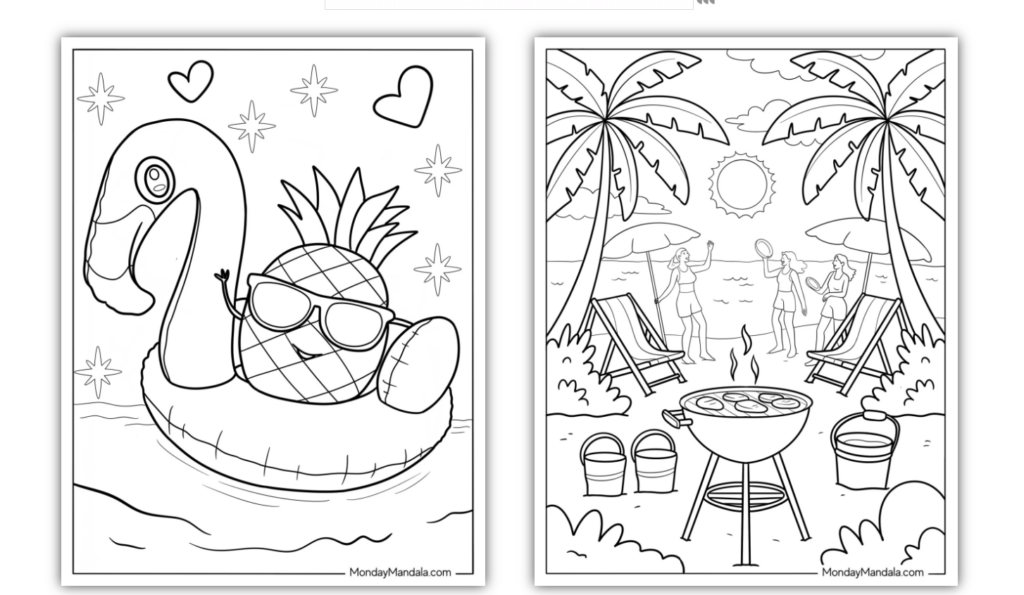
Tracing carefully, colouring in, or filling spaces evenly with hatching is another way of building motor skills. Print some scenes from MondayMandala.com and complete them however you like, as carefully as you can.
Children in many households receive ‘grapheme / calligraphy’ workbooks, in which the letters are filled in and mimicked carefully. These activities are about developing slow and careful letter formation. The design can be recreated in word by using a light font colour and a dark outline colour.
Now attempt to copy out some sections of your reading text. Aim to copy the letters and spacing carefully, and be sure to follow the lines on the page as best you can. You are focusing not on speed, but on care. Try to create a book of writing where we can see gradual improvement over time. Remember, nobody expects a skill to be perfect immediately.
Continue to copy out small passages of text at home, copying anything you like. Keep a writing book and try to improve upon the shape and style of your writing with each session. Try to create a book of writing where we can see gradual improvement over time. Remember, nobody expects a skill to be perfect immediately.