-
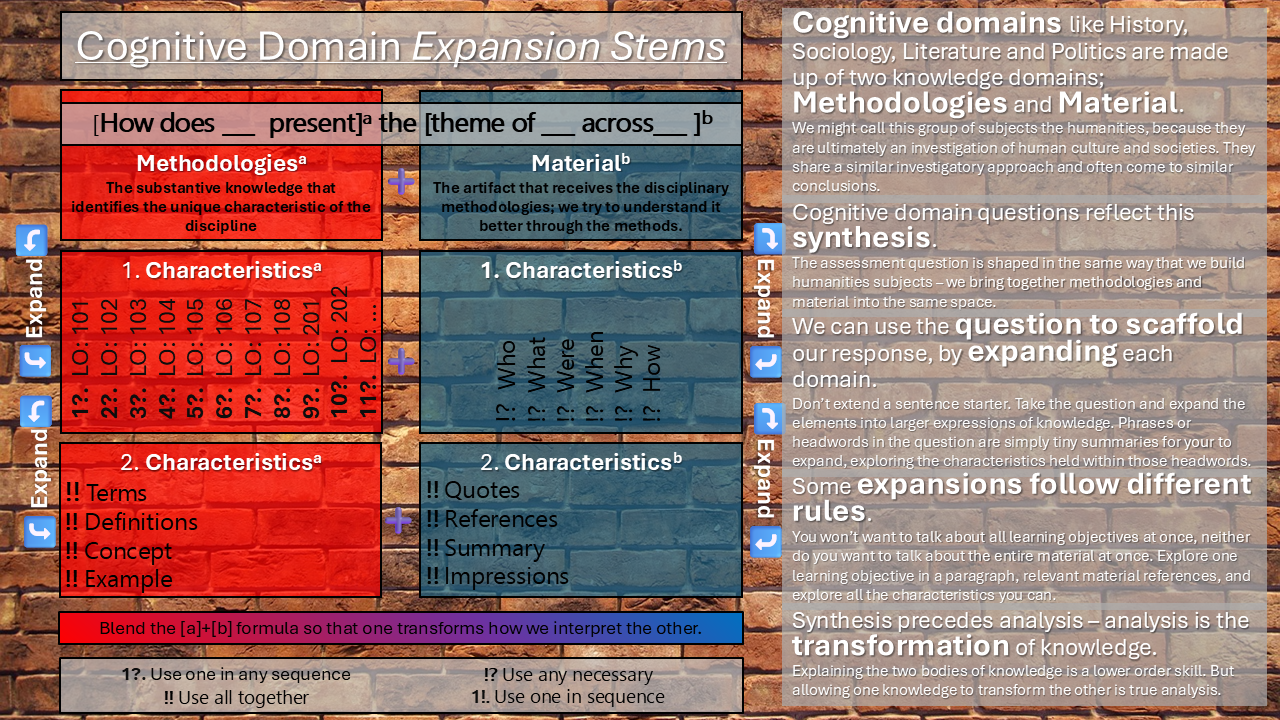
There is no excerpt because this is a protected post.
-
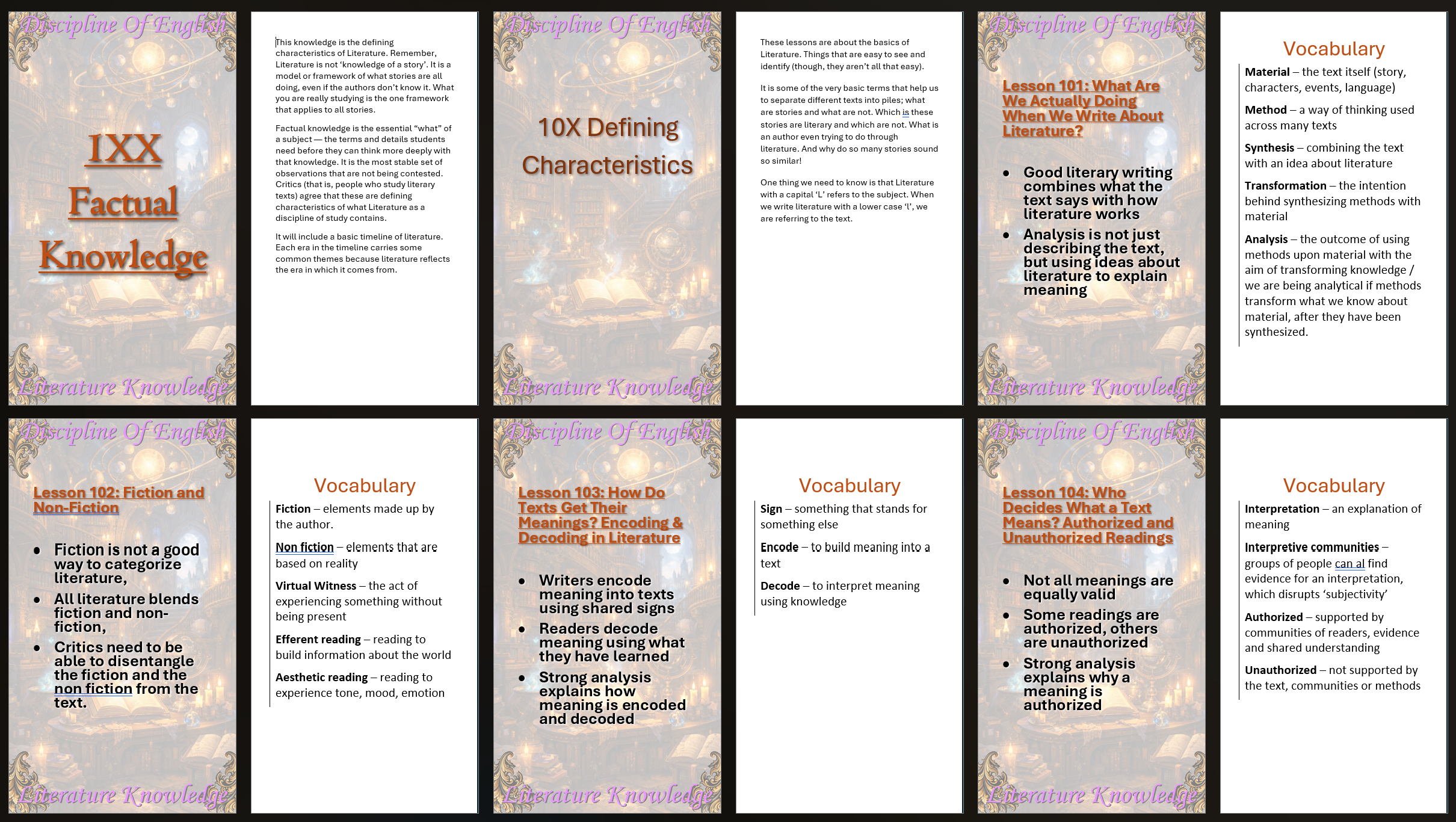
Few departments have a proper curriculum of knowledge (in English at least) – as a formal, single document. But when this is in place, it can be reformatted in different ways…
-
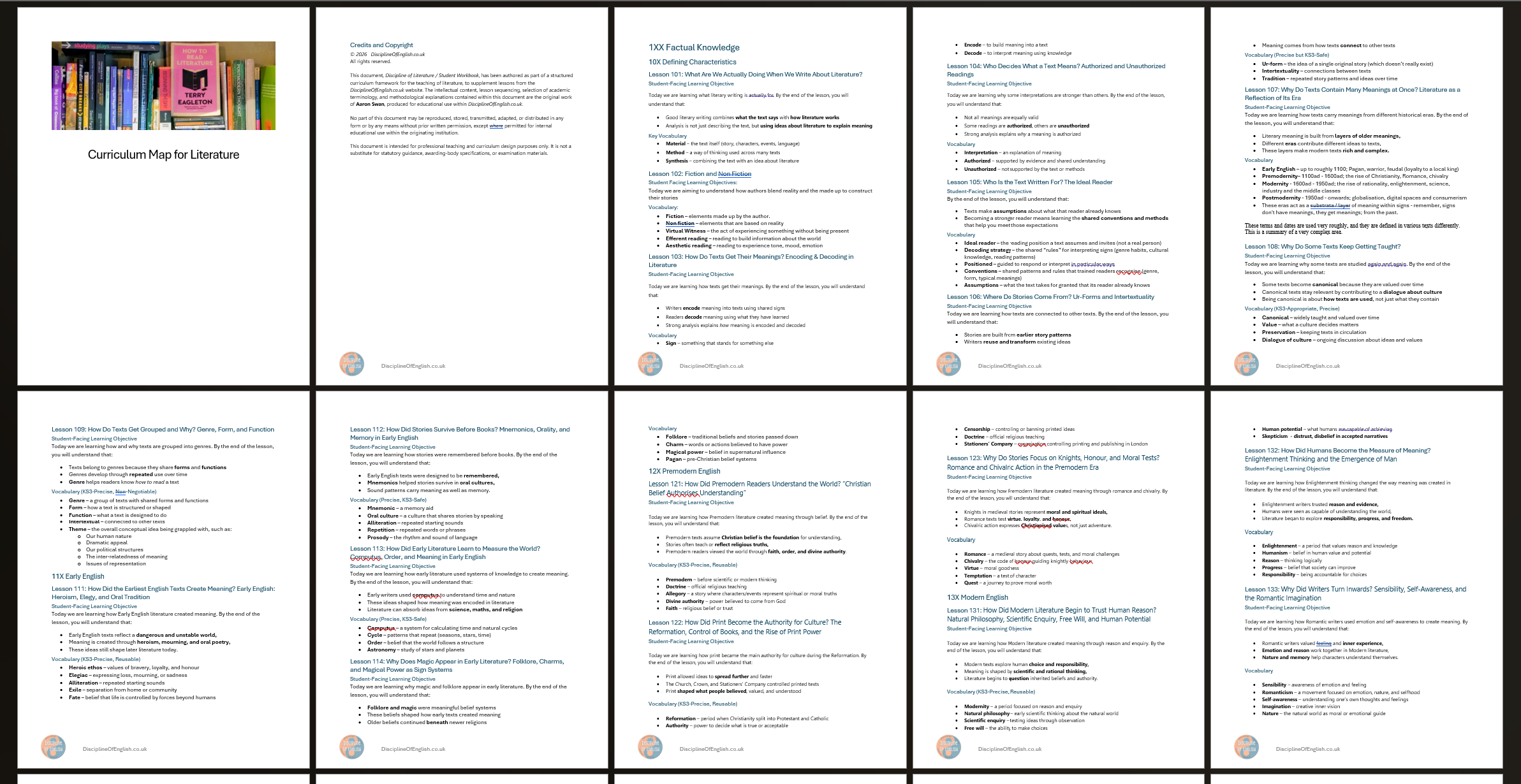
There are many artifacts that have an a-priori structure to their design. Almost all text books contain at the beginning, an introduction, a contents page, chapters, glossary, an index and references. This makes perfect sense, but of course is a structure that has only become common and expected through evolution and repetition of the form.…
-

Something I will do from time to time with students is to ‘exchange the text’; Drop the novel we’re reading and undertake an Barthesian Mythologies style of investigation. Barthes explored how cultural artifacts such as boxing matches, cars, public figures, steak and chips… He showed that any cultural artifacts before from the same analytical vocabulary…
-
A recent Facebook post asked the question, does the meaning of a book belong to the reader or the author. This is very much the kind of debate about Literature that students should be trained to engage with. The following is exactly the kind of objective that I think students of Literature should be regularly…
-
The curriculum I am building is strongly influenced by the epistomology of Anderson and Krathwohl’s 2001 text on the cognitive domain. There, it is argued that the methodologies of a discipline should be delineated into the factual, the conceptual, the procedural and the metacognitive knowledges. I have now structured over 30 lessons which constitute the…
-
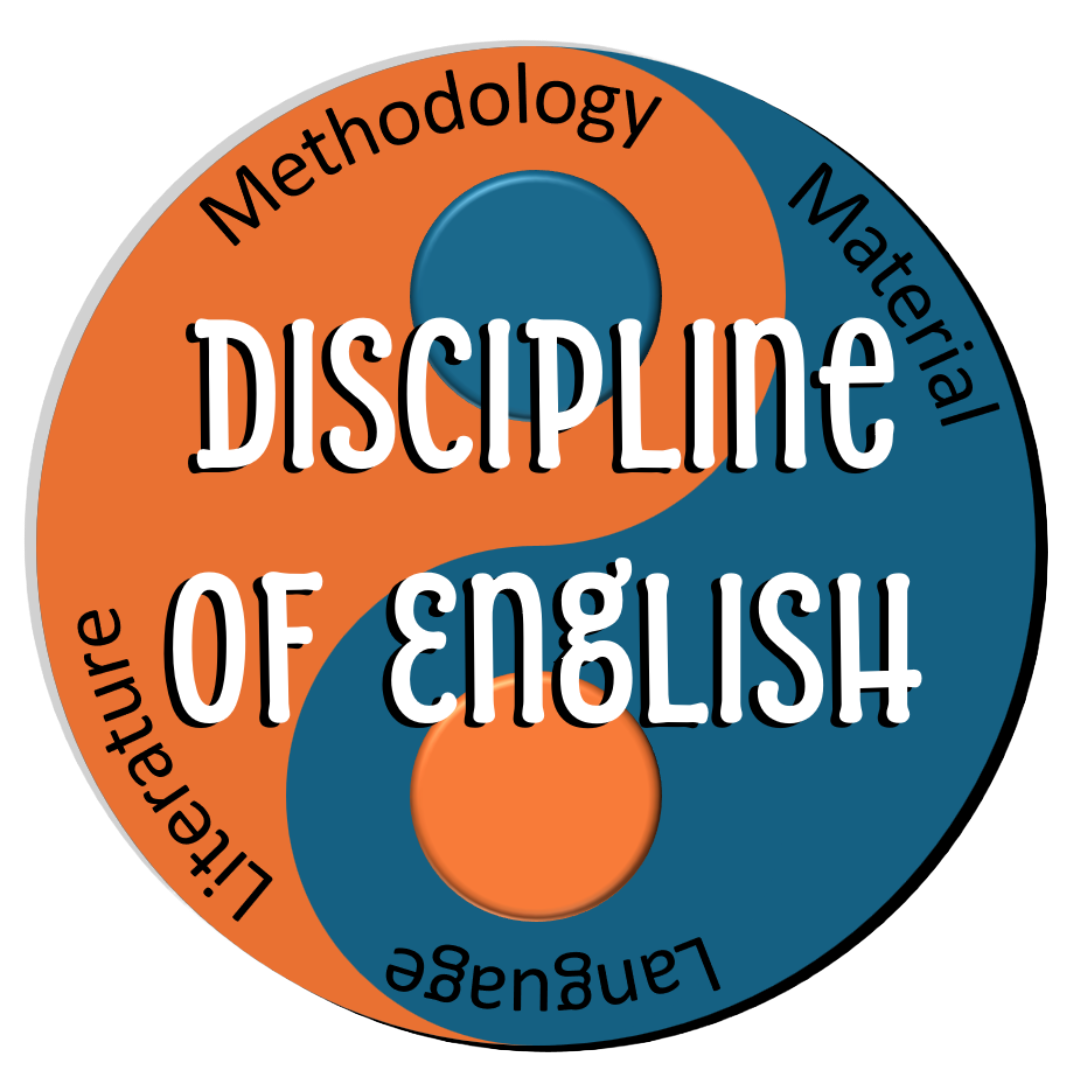
English education in England is shaped by a persistent structural problem: the absence of an explicit disciplinary model. Ofsted’s Telling the Story report identifies the symptoms of this absence—fragile foundational knowledge, inconsistent subject expertise, fragmented literature sequencing, and assessment distortion—but it does not define the epistemic structure required to resolve them. The Discipline of English…
-
We often talk about the function of Literature as one of nurturing students to know how to read. To build the skill of reading, we focus on sustained and focused reading time, reading aloud, retrieval and recall questions. The progress and attainment of reading is often measured through reading age or NRSS scores. But, these…
-
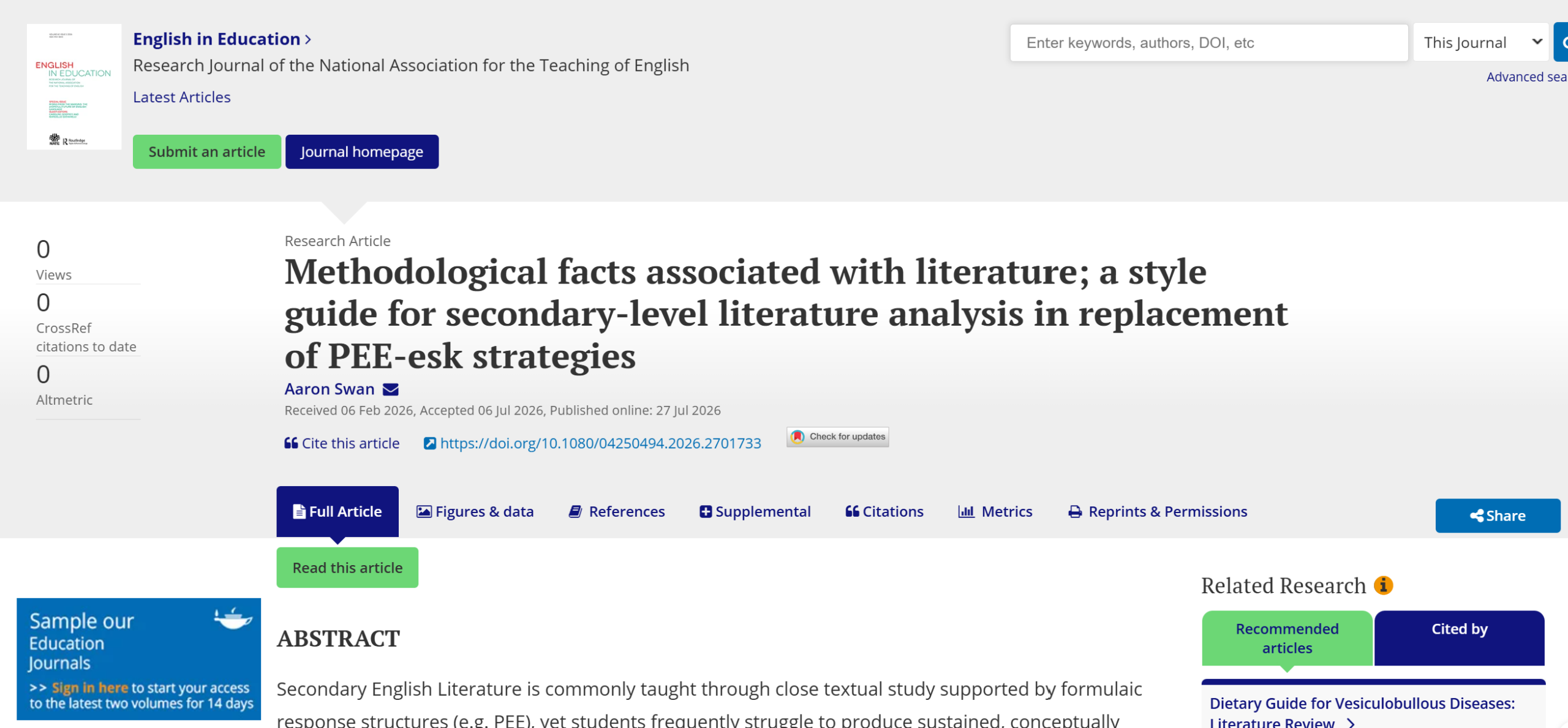
I’m extremely pleased to announce that an article I have been working in for a few years has succeeded at academic review, has been approved by the editor and is now published by Taylor and Francis! Methodological facts associated with literature; a style guide for secondary‑level literature analysis in replacement of PEE-esk strategies: English in…
-

I’m proud to announce that my first manuscript has been approved by peer review and accepted for publication! I’ll announce the publisher and link to the paper when it’s available, but for now today is momentous. The paper reflects 20 years of teaching and validates a large proportion of the curriculum I have been prototyping.…
Articles
Opinion and Editorials
If you would like to contribute to the website and share your experiences, please get in touch. Our articles focus on the delivery of Disciplinary and conceptual Knowledge.