Learning Objectives
Teacher Framing:
This lesson begins Unit 15X by establishing the sentence as a complete grammatical and meaningful unit. Unit 13X taught students to classify individual words, and Unit 14X taught students how words combine into phrases and clauses. Unit 15X now moves to the sentence: the unit that binds a main clause within punctuation so that it can communicate a complete thought. At its most fundamental level, a sentence must contain a main clause, and that main clause must contain a subject and predicate. The subject tells us who or what the clause is about. The predicate tells us what the subject does, is, has, feels or experiences. A sentence is then bounded by punctuation, usually beginning with a capital letter and ending with a full stop, question mark or exclamation mark. Students should understand that punctuation marks the boundary of the sentence, but the grammar inside the boundary must still be complete. “The door opened” is a sentence because it contains a subject, a predicate and a complete thought within punctuation. “The door” is not a sentence because it has a subject but no predicate. “Opened suddenly” is not a full sentence because it has a predicate idea but no clear subject. This lesson gives students the foundation for later sentence classifications: simple, compound, complex, compound-complex and sentence function.
Student Learning Objectives:
By the end of this lesson, students should be able to:
- identify the subject and predicate of a sentence;
- explain how punctuation bounds a complete sentence;
- and distinguish complete sentences from groups of words that are missing a subject, predicate or complete thought.
Core Knowledge:
A sentence is a complete thought expressed through grammar and bounded by punctuation. Most sentences contain a main clause. A main clause contains a subject and a predicate. The subject is who or what the sentence is about. The predicate says something about the subject’s doing.
For example, in “The window cracked,” “The window” is the subject and “cracked” is the predicate. The capital letter and full stop show the boundary of the sentence. A sentence needs both the internal grammar and the external boundary: it must make sense as a complete thought and be marked as a complete unit.
Sentences like “yes” or “for sure” are often part of an ‘adjacency pair’ and are not full sentences.
Key Ingredients:
Key Vocabulary:
- Sentence: a complete grammatical unit, usually containing a main clause, bounded by punctuation and expressing a complete thought.
- Main clause: a clause that can stand alone as a complete grammatical unit.
- Subject: the person, place, thing or idea that the sentence or clause is about.
- Predicate: the part of the sentence or clause that tells us something about the subject.
- Complete thought: an idea that makes sense as a finished unit in context.
- Punctuation boundary: the capital letter and end punctuation that mark where a sentence begins and ends.
- Fragment: a group of words that is punctuated like a sentence but is missing a complete subject, predicate or thought.
Key Sentence Stems:
- This is a sentence because it contains…
- The subject of the sentence is…
- The predicate is…
- The punctuation boundary is shown by…
- This is not a complete sentence because it is missing…
- The words express a complete thought because…
- The writer packages this thought as a sentence to…
Key Thinking:
A sentence needs more than a capital letter and a full stop. “The old gate.” has punctuation and a subject, but it does not have a predicate, so it is not a complete sentence. “Creaked in the wind.” has punctuation and a predicate idea, but the subject is missing. “The old gate creaked in the wind.” is a complete sentence because it contains a subject, a predicate and a complete thought within punctuation.
Models
Non Literary Warm Up:

Think of a sentence like a complete meal on a tray. The meal tray has boundaries to keep the food types apart, just as punctuation creates the boundary of a sentence. But the tray also needs the essential parts of a meal. A plate with only carrots is not really a complete meal, and a sentence with only a subject is not really a complete sentence. A complete sentence needs its essential grammatical parts inside the boundary: a subject and a predicate working together to create a complete thought.
Literary example – :
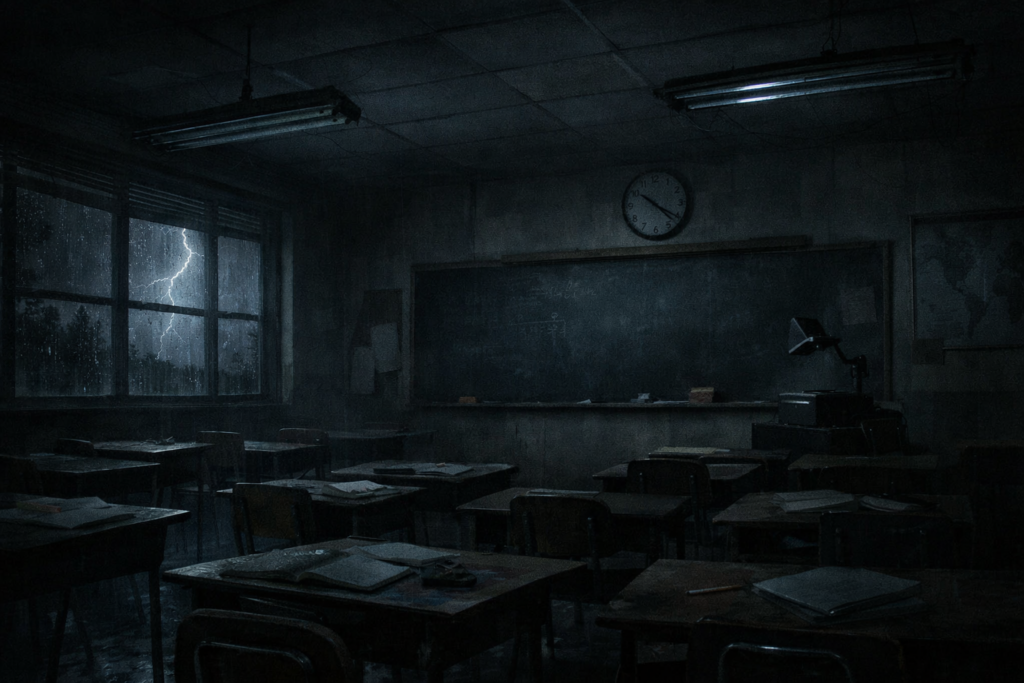
The lights (subject) flickered (predicate). The classroom (subject) fell (predicate) silent. The storm (subject) had damaged (predicate) the power lines .
The first two sentence units are complete because each has a subject and predicate. In “The lights flickered,” the subject is “The lights” and the predicate is “flickered.” In “The classroom fell silent,” the subject is “The classroom” and the predicate is “fell silent.” However, “Because the storm had damaged the power lines” is not complete as a sentence because it gives a reason but does not complete the thought. This shows that punctuation can mark a boundary, but the words inside the boundary still need to form a complete main clause.

The notice (subject) appeared (predicate) on the library door before registration. Students (subject) gathered (predicate) around it, whispering names and checking dates. The final line (subject) mentioned (predicate) cancelled clubs. Nobody (subject) had explained (predicate) the decision. By the time the bell rang, three different rumours (subject) had already started (predicate).
The passage provides us with subjects; notice, students, final line, nobody, rumours. And the predicates are appeared, gathered, mentioned, explained, started. Together these create a some conflict about identity and voice. The predicates have an underlying tone of revolt, protest or dissatisfaction. The subjects and predicates ultimately drive the story and it seems one of drama and conflict.
Now Apply To This To Our Text:
Students should now read the material chosen by the teacher and complete the following sequence:
- choose five sentence units;
- identify the punctuation boundary of each unit;
- underline the subject and predicate in each;
- decide whether each unit expresses a complete thought;
- write one analytical paragraph explaining how complete sentence units package meaning clearly for the reader.
Exit Question:
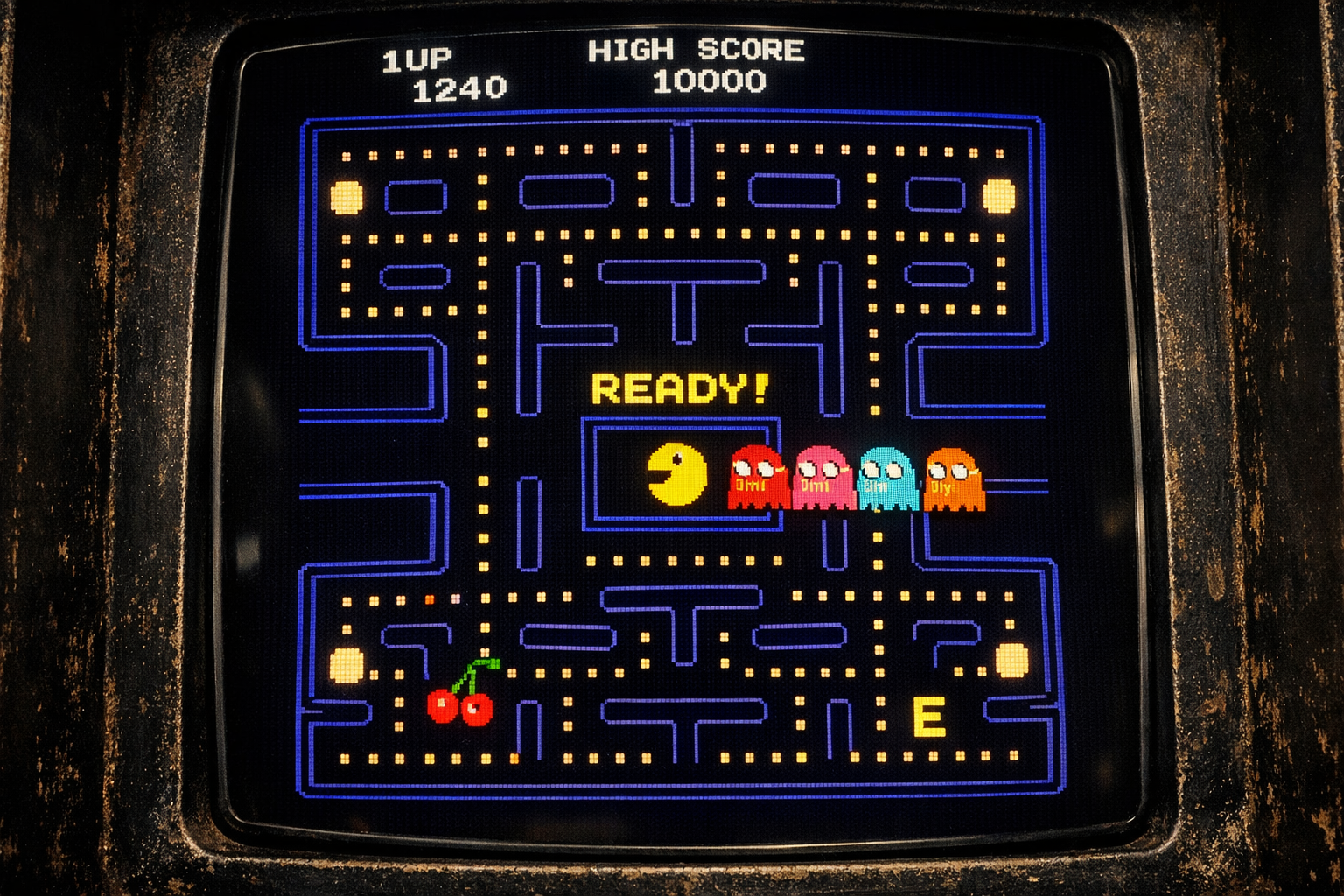
Consider the header image – there is a subject and it does one thing. Do you know what these two elements are? This image reflects the two most basic things you need in a sentence, else there can be no ‘story’.
Homework:
Choose a short paragraph from a suitable text. Copy out five sentence units. For each one, identify the subject and predicate. Then find or create one fragment that is missing either a subject, predicate or complete thought, and rewrite it as a complete sentence.