
Learning Objectives
Teacher Framing:
This lesson introduces complex sentences as sentences containing one main clause and at least one subordinate clause. Students met main and subordinate clauses in Unit 14X; this lesson now classifies the whole sentence created when those clauses combine. Complex sentences matter because they allow writers to organise information into central and dependent positions. A subordinate clause can explain cause, contrast, time, condition, concession, background or additional detail. Its position also matters: it may appear before the main clause, after it, or embedded within it. In analysis, complex sentences help students explain emphasis, delay, backgrounding and dependency at sentence level.
Student Learning Objectives:
By the end of this lesson, students should be able to:
- identify complex sentences;
- distinguish the main clause from subordinate clauses;
- and analyse how subordination controls emphasis, cause, contrast, condition or background information.
Core Knowledge:
A complex sentence contains one main clause and at least one subordinate clause. The main clause carries the central idea. The subordinate clause depends on the main clause and adds information. “Although the rain stopped, the match was cancelled” is complex because “the match was cancelled” is the main clause and “Although the rain stopped” is subordinate.
Key Ingredients:
Key Vocabulary:
- Complex sentence: a sentence containing one main clause and at least one subordinate clause.
- Main clause: the clause carrying the central complete idea.
- Subordinate clause: a dependent clause that adds information to the main clause.
- Subordination: placing one clause in a dependent relationship with another.
- Fronted subordinate clause: a subordinate clause placed before the main clause.
- Embedded subordinate clause: a subordinate clause placed inside another clause.
- Emphasis: the importance or attention given to part of a sentence.
Key Sentence Stems:
- This is a complex sentence because…
- The main clause is…
- The subordinate clause is…
- The subordinate clause adds cause/contrast/time/condition/background by…
- The position of the subordinate clause affects emphasis because…
- This complex sentence affects meaning because…
Key Thinking:
A complex sentence is not called complex because it is difficult. It is complex because it contains clause dependency. “Because the lights failed, the play stopped” is complex even though the meaning is clear.
Models
Non Literary Warm Up:

Imagine a main road running past a town that you wish to visit. The main road carries the bulk of the meaning, but you will take a side road into the town. Sometimes the side road comes after the town, and sometimes before it. There are different ways of adding the parts of your journey together.
Literary example – :
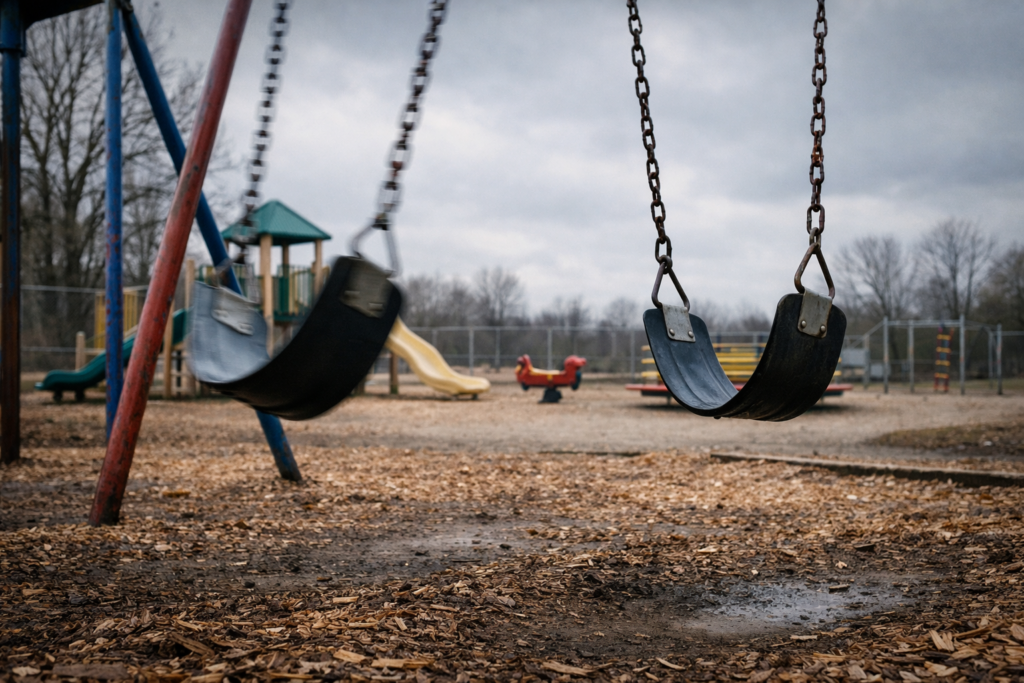
Although the playground was empty (fronted subordinate clause showing contrast), the swings were still moving (main clause).
This is a complex sentence because it contains one main clause and one subordinate clause. The main clause is “the swings were still moving,” which gives the central image. The subordinate clause “Although the playground was empty” creates contrast because movement is unexpected in an empty place. By placing the subordinate clause first, the writer delays the unsettling image and makes it more noticeable.
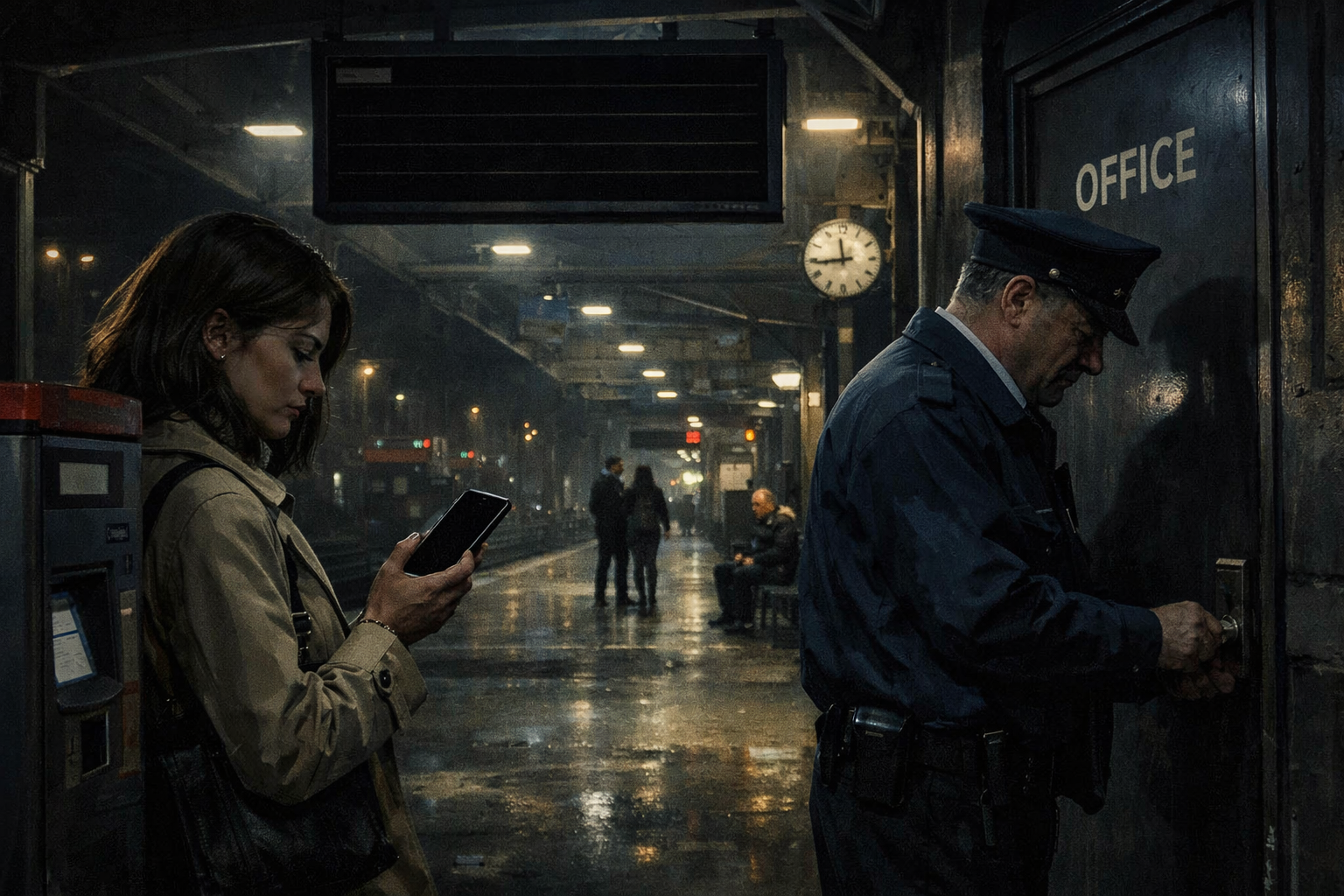
“When the final bus left the station (fronted subordinate clause of time), the square seemed to shrink around the remaining passengers (main clause). The woman who had been waiting by the ticket machine (embedded relative clause identifying the woman) checked her phone again (main clause), although the screen had gone dark (subordinate clause showing contrast). Because the announcement board was blank (fronted subordinate clause giving cause), nobody knew whether the last train had been cancelled or merely delayed (main clause with embedded uncertainty). The guard, who had been avoiding eye contact all evening (embedded relative clause adding background), finally unlocked the office door (main clause).”
The writer uses complex sentences to layer time, contrast and uncertainty. The opening subordinate clause “When the final bus left the station” sets the time before the main clause shows the square shrinking around the passengers. The relative clause “who had been waiting by the ticket machine” identifies the woman and keeps attention on her delay. The clause “although the screen had gone dark” creates contrast because she continues checking a phone that cannot help her. Later, “Because the announcement board was blank” explains why nobody understands the situation. The complex sentences make the scene feel uncertain because important information depends on conditions, contrasts and delayed explanations.
Now Apply To This To Our Text:
Students should now read the material chosen by the teacher and complete the following sequence:
- find three complex sentences;
- identify the main clause in each;
- label each subordinate clause and its job;
- note whether the subordinate clause is fronted, embedded or placed after the main clause;
- write one analytical paragraph explaining how a complex sentence organises central and dependent information.
Exit Question:

A father and son wait to cross the road. The father means to say ‘we can cross after the car has passed us”, but half way through his child starts to cross the road.
Why might a fronted subordinate clause have been safer, and why might it not be the child’s fault for stepping out?
Homework:
Choose a short paragraph and find two complex sentences. Label the main and subordinate clauses. Then move one subordinate clause to a different position and explain how the emphasis changes.