Category: Conceptual Literature
Literature is best understood through various theoretical lenses. These lenses are grouped into a ‘Conceptualised Essentialism for Critical Analysis’; Structuralism, Power and Ideology, Human Nature, Dramatic Appeal, Representation. These categories group academic language into lenses through which to view a text.
-
We teach students to search poetry for meaning, as though every poem contains a hidden answer waiting to be uncovered. But what if that assumption is wrong? In War Photographer, Carol Ann Duffy presents us with a figure caught between professionalism and guilt, compassion and detachment, witness and participant. Yet the closer we examine the…
-
What if every story is really the same story? A recent lesson began with a challenge to a common assumption in English teaching: that students learn Literature by studying individual texts. Instead, students were introduced to the idea of literary genealogy—the concept that all stories belong to the same enduring tradition and share a common…
-
Perspectives in stories matter. Typically, the perspective that we follow is the ‘protagonist’ – and typically we align the protagonist with the function of the hero. Few stories subvert this but by deconstructing and rebuilding Macbeth, we might get a very different view of what role each character fulfills.
-
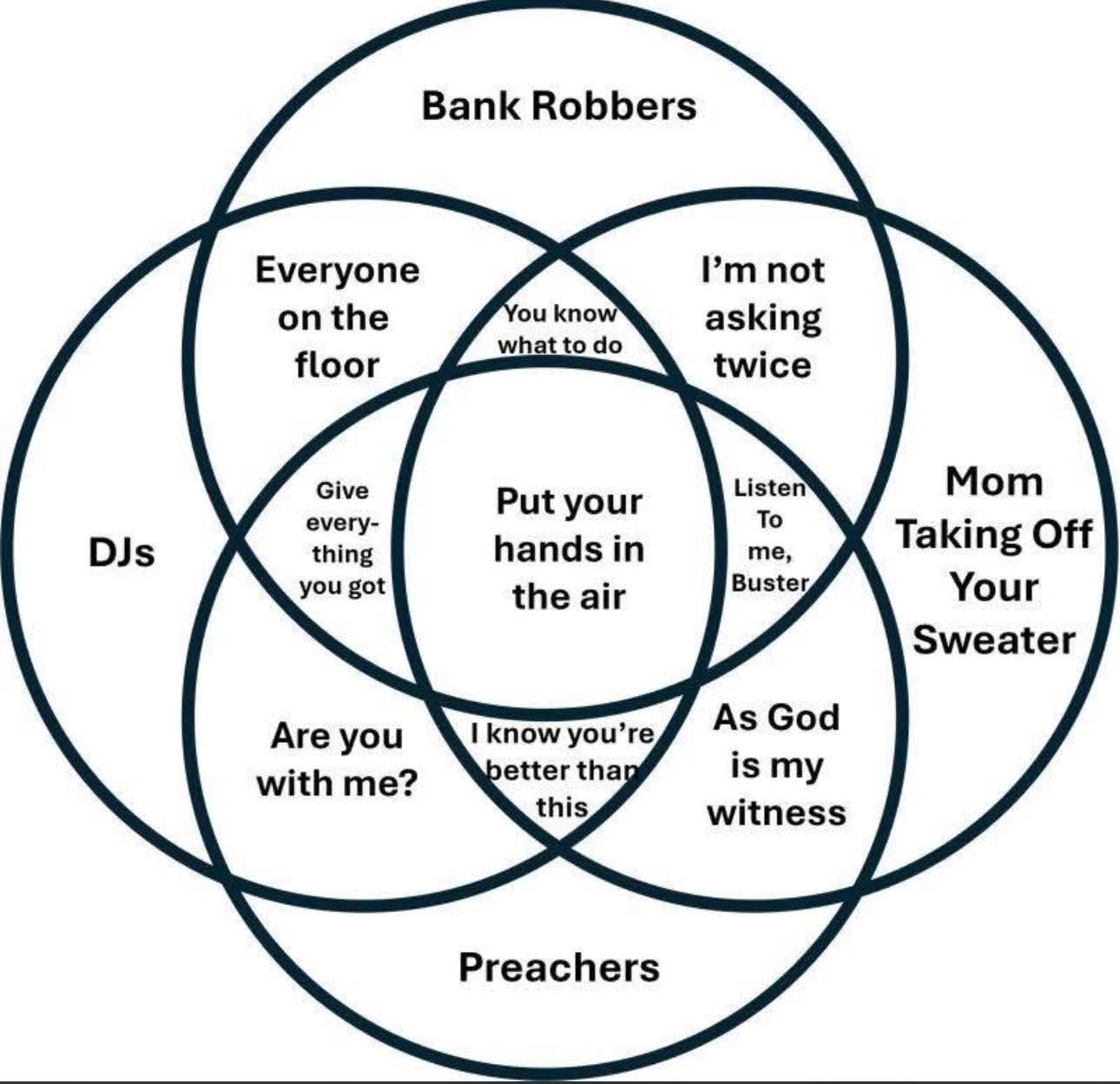
Words don’t have meanings, they get meanings. Structuralism is a difficult and abstract concept to understand, but there’s a meme that absolutely nails this.
-
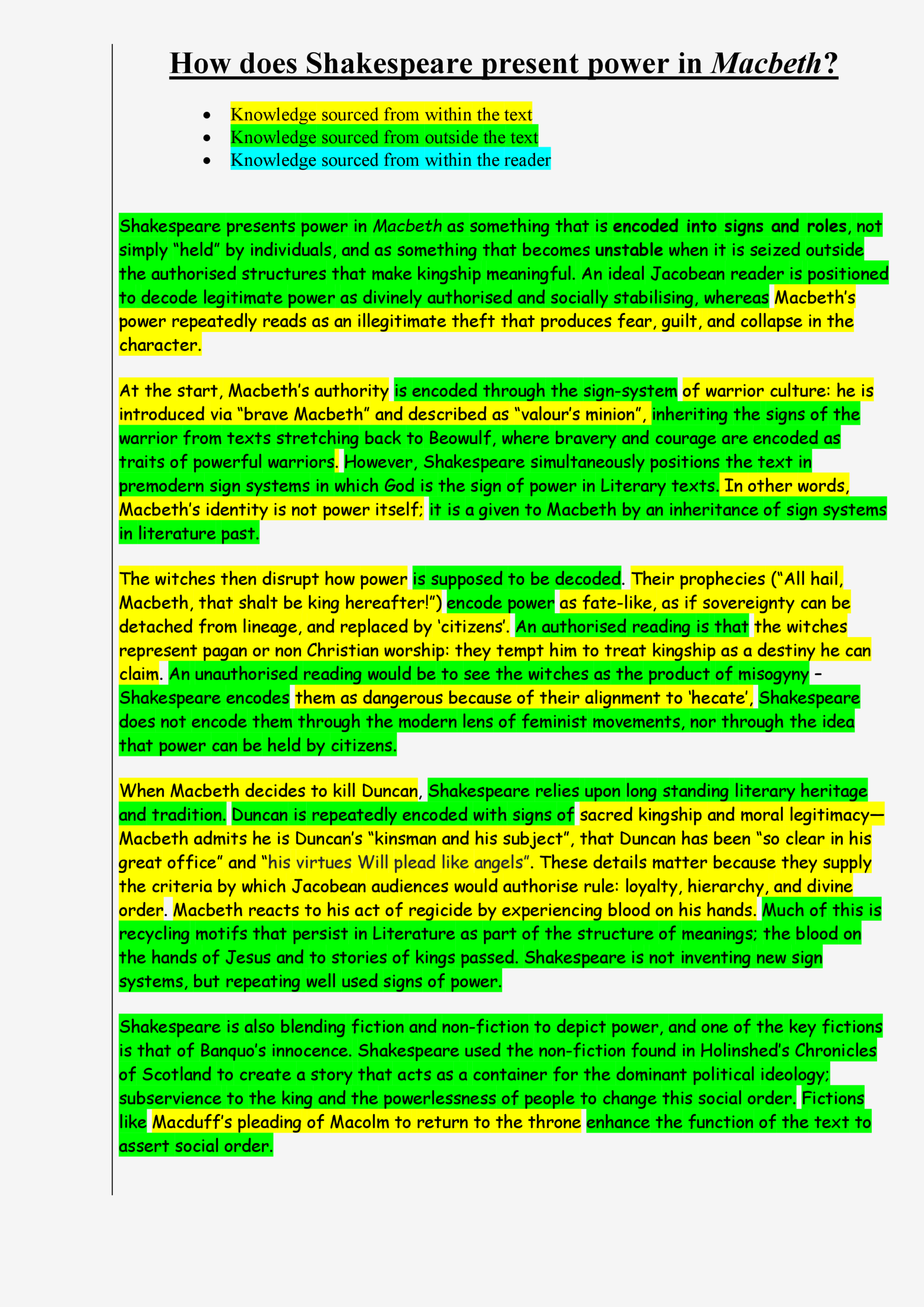
Don’t retell the story, instructs the examiner. Then what pray tell, am I supposed to write about, asks the student. Well, its a range of content that is occasional in many Literature curriculum. Maybe we can demonstrate this problem here.
-
A glossary has now been added, and as the selection of terms comes from such a broad ocean of literature, it comes to reflect the identity of our curriculum.