Category: Defining Characteristics
Core language describing the literary object-in-hand.
-
We often talk about the function of Literature as one of nurturing students to know how to read. To build the skill of reading, we focus on sustained and focused reading time, reading aloud, retrieval and recall questions. The progress and attainment of reading is often measured through reading age or NRSS scores. But, these…
-
We teach students to search poetry for meaning, as though every poem contains a hidden answer waiting to be uncovered. But what if that assumption is wrong? In War Photographer, Carol Ann Duffy presents us with a figure caught between professionalism and guilt, compassion and detachment, witness and participant. Yet the closer we examine the…
-
What if every story is really the same story? A recent lesson began with a challenge to a common assumption in English teaching: that students learn Literature by studying individual texts. Instead, students were introduced to the idea of literary genealogy—the concept that all stories belong to the same enduring tradition and share a common…
-
Don’t retell the story, instructs the examiner. Then what pray tell, am I supposed to write about, asks the student. Well, its a range of content that is occasional in many Literature curriculum. Maybe we can demonstrate this problem here.
-
A glossary has now been added, and as the selection of terms comes from such a broad ocean of literature, it comes to reflect the identity of our curriculum.
-
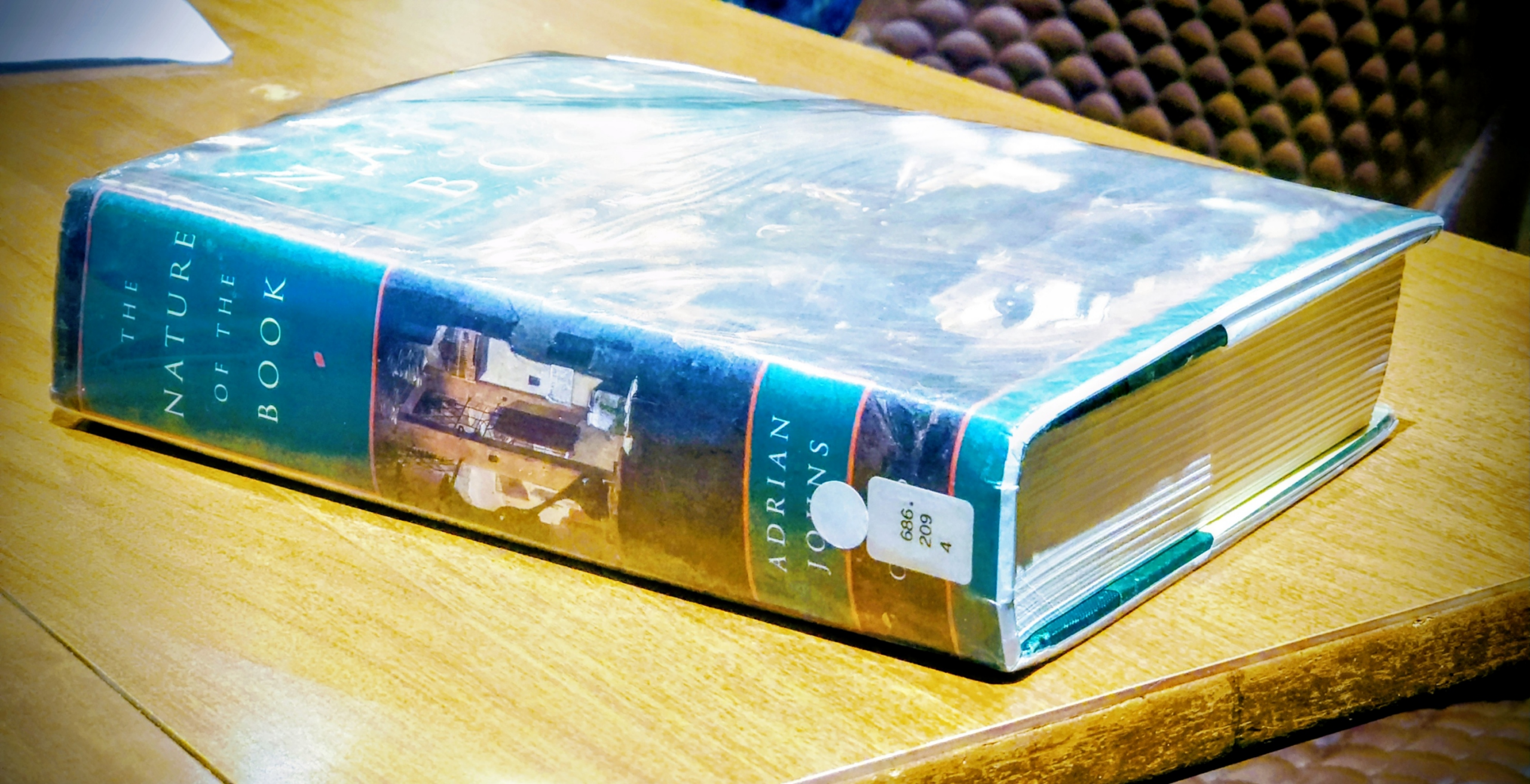
In my previous post, I attempted to impart some of Adrian Johns’ examination of the durability, permanence or ‘fixity’ inherent in printed literature, to maintain meanings indefinitely. It has been assumed by other academics that the very technology, the print itself and the construction of the book, carries some innate permanence as a priori, but…