
Learning Objectives
Teacher Framing:
This lesson develops students’ understanding of tense as a structural method. Lesson 121 taught students that paragraphing can organise information by interrogative focus, especially the interrogative “when.” Lesson 122 taught that perspective controls access to information. Lesson 123 now focuses on how tense organises time. Tense tells the reader where the narration or speaker is positioned in relation to events: looking back, experiencing the present, or projecting forward. Most texts establish a dominant tense, such as past, present or future, and then use temporary tense shifts to move backwards or forwards in time. A narrative may be told mainly in the past tense but shift further back into the past for memory or explanation. A present-tense account may feel immediate because events seem to unfold as the reader reads them. A non-fiction article may begin in the present situation, refer back to causes, and then move forward to possible consequences. Students should understand that tense shifts need to be controlled. When the time frame changes, paragraphing often changes too because the writer is moving to a new “when.” This lesson should remain within Unit 12X by treating tense as a way of structuring chronology, temporal focus and reader experience, rather than becoming a full grammar lesson on every verb form.
Student Learning Objectives:
By the end of this lesson, students should be able to:
- identify the dominant tense of a text;
- recognise when a text shifts backwards or forwards in time;
- and analyse how tense changes structure the reader’s understanding of events, memory, immediacy or prediction.
Core Knowledge:
Tense helps organise time in a text. A text may mainly look backwards at events that have already happened, stay close to events as if they are happening now, or look forwards to what may happen later. This dominant tense gives the reader a time position. Writers can then shift tense to move the reader to a different moment. A shift to the past might explain a cause or memory. A shift to the future might create expectation, worry or prediction. Tense shifts should usually be clear and controlled. If they are accidental, the text may become confusing. If they are deliberate, they can help the writer organise time and guide the reader through the material.
Key Ingredients:
Key Vocabulary:
- Tense: the grammatical time of a verb, showing whether something is placed in the past, present or future.
- Dominant tense: the main tense that controls most of the material.
- Past tense: a tense that presents events as already completed or remembered.
- Present tense: a tense that presents events as happening now or as generally true.
- Future tense: a tense that presents events as expected, planned or predicted.
- Tense shift: a movement from one tense to another.
- Time frame: the period of time the text is currently focused on.
- Chronology: the order in which events happen.
- Flashback: a shift backwards to an earlier time.
- Foreshadowing: a hint or movement towards something that may happen later.
Key Sentence Stems:
- The dominant tense of this material is…
- The writer places the reader in the past/present/future by…
- The tense shifts when…
- This tense shift moves the reader backwards/forwards in time because…
- The change in tense is controlled because…
- The paragraph break helps mark a change in time by…
- This tense choice affects the reader because…
Key Thinking:
It is not enough to name a tense. Strong analysis explains what the tense does structurally. For example, saying “This is past tense” is identification. Saying “The past tense makes the narrator look back on events as something already completed” begins analysis. It is also important to distinguish controlled tense shifts from accidental tense errors. A controlled shift helps the reader understand a change in time. An accidental shift makes the timeline unclear.
Models
Non Literary Warm Up:
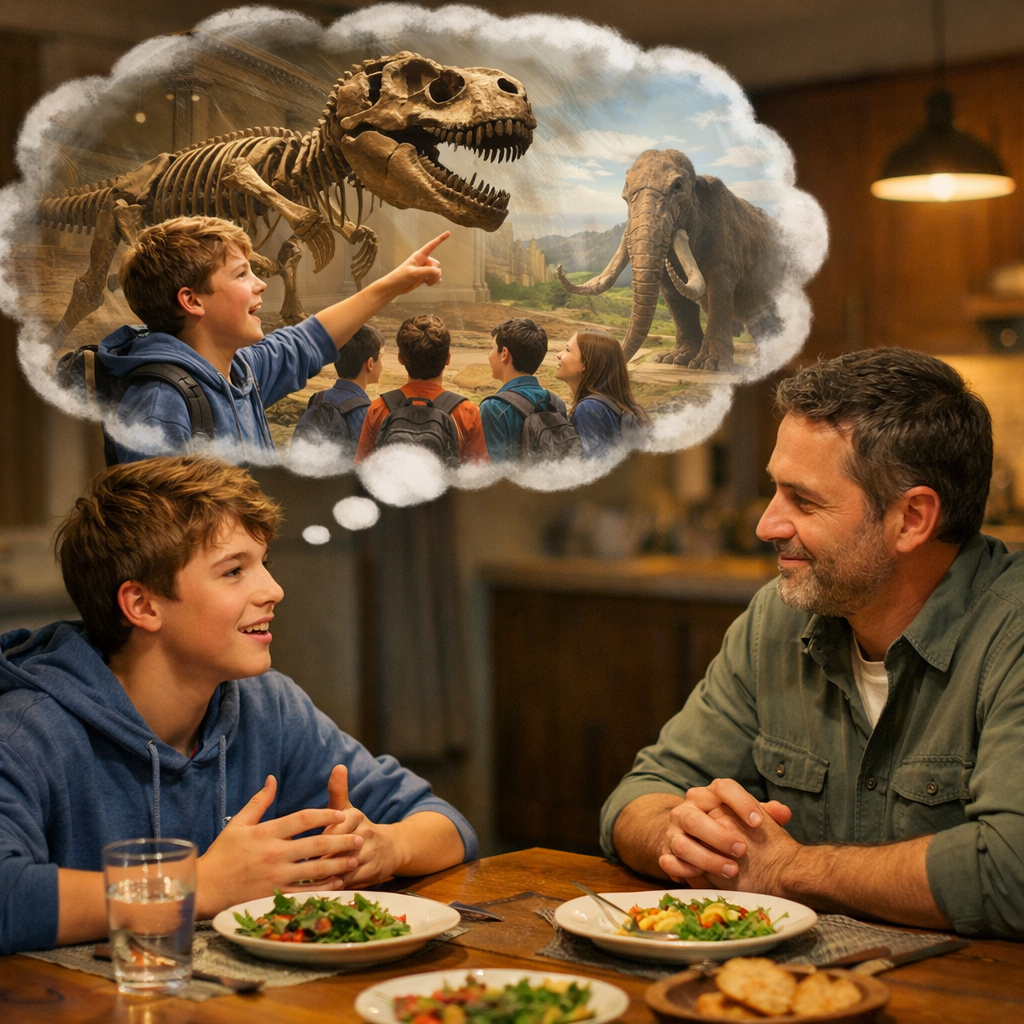
Think back to a conversation with a parent about a school trip. They will ask you to think about the past events; visiting the museum, what you saw, what you ate. And they are sure to reflect on their own past experiences in response; how museums have changed and what they enjoyed about it. Maybe they will also to plan some future event too; going as a family in future, and what you would love to see together.
Literary example – :
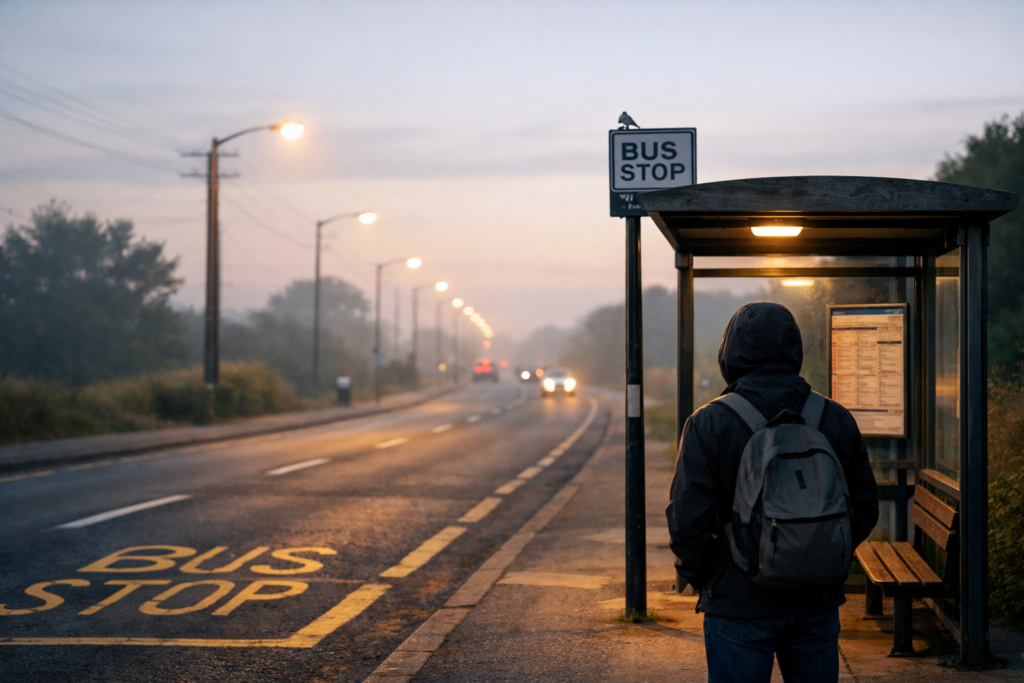
I stand at the bus stop and check the road again. Either the bus is late or I am. Yesterday, it arrived a moment early, and I watched it leave the road. Tomorrow, I will not make the same mistake.
The dominant tense begins in the present because the narrator says, “I stand at the bus stop” and “The bus is late.” This places the reader close to the current moment. The tense then shifts backwards when the narrator explains that “Yesterday, it arrived ten minutes early,” which gives a reason for the narrator’s behaviour. Finally, the future tense in “I will not make the same mistake” shows intention. The tense shifts structure the material by moving from present situation, to past cause, to future decision.
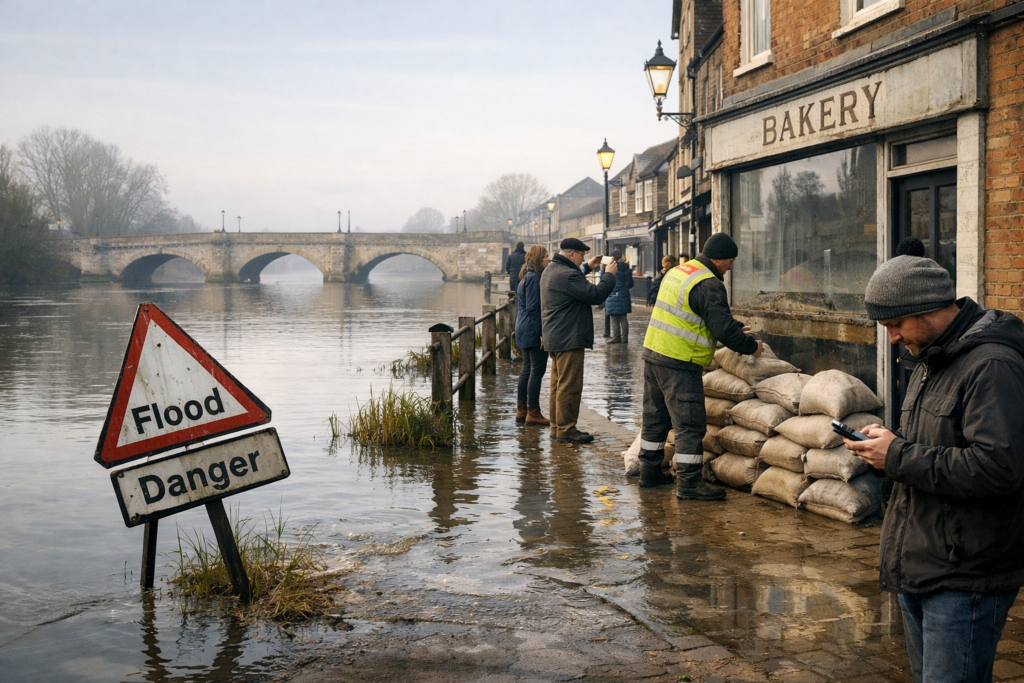
The river is quiet this morning, although the warning signs still lean at awkward angles along the bank. By the bridge, people stop to take photographs of the mud line on the shop windows. Last week, the water rose so quickly that Mr Evans had only twenty minutes to carry boxes upstairs before the floor disappeared beneath him.
He had lived above the bakery for thirty years, and he had never seen the river move like that.
Now, council workers are stacking sandbags beside the doors, and residents are checking their phones for the next weather update. If the rain returns tonight, the high street will close again before dawn.
The structure of the material is organised through controlled tense shifts. It begins in the present tense with “The river is quiet this morning,” placing the reader in the current aftermath of the flood. The writer then shifts backwards with “Last week, the water rose,” which explains the cause of the damage visible in the present. The phrase “He had lived above the bakery for thirty years” moves further back in time and shows that the flood is unusual even for someone with long experience of the river. The text then returns to the present through “Now, council workers are stacking sandbags,” before shifting forward with “the high street will close again.” These tense shifts guide the reader across a timeline: present aftermath, past cause, deeper past experience, present preparation and future risk. The writer therefore uses tense to structure both chronology and concern.
Now Apply To This To Our Text:
Students should now read the material chosen by the teacher and complete the following sequence: first, identify the dominant tense of the material; second, underline two verbs that prove the dominant tense; third, mark any tense shifts and label whether they move backwards or forwards in time; fourth, decide whether the tense shift is controlled by a clear time marker, paragraph break or change in focus; finally, write one analytical paragraph explaining how tense structures the reader’s movement through time. Students should avoid treating tense only as a grammar label and should explain how tense affects chronology, immediacy, memory, explanation or prediction.
Exit Question:
What films can you think of that start with a flashback, or open with a scene from near the end of the movie?
Homework:
Choose a short article, story extract, diary entry or report. Identify the dominant tense and copy out three verbs that prove it. Then find one moment where the text shifts to a different time frame, or rewrite a short section so that it does. Explain how the tense shift changes the reader’s understanding of time, memory, immediacy or future possibility.