
Learning Objectives
Teacher Framing:
This lesson develops students’ knowledge of verbs as words that express actions, states, processes and possibilities. Lesson 131 taught that nouns name what a text foregrounds; Lesson 132 teaches that verbs show what happens to those named things, what they do, what they experience, or what condition they are in. Students should understand that verbs are not only physical actions. Some verbs are dynamic and show movement or change, while others are stative and show being, seeming, knowing, feeling or belonging. Modal verbs express possibility, obligation, certainty or permission. In analysis, verbs matter because they create movement, agency, force, passivity, certainty or uncertainty. This lesson should stay within word classification by focusing on the role of verbs as individual words, while briefly connecting to tense only where necessary because tense was structurally introduced in Unit 12X.
Student Learning Objectives:
By the end of this lesson, students should be able to:
- identify verbs in material;
- distinguish between action, state and modal verbs;
- and explain how verb choices affect movement, agency, certainty or feeling.
Core Knowledge:
A verb is a word that shows an action, state or process. Some verbs show something happening, such as “ran,” “grabbed” or “collapsed.” Some verbs show a state, such as “is,” “seems,” “knows” or “believes.” Modal verbs such as “might,” “must,” “could” and “should” show possibility, obligation or certainty. Verbs are important because they tell the reader what is happening and how strongly or uncertainly it is happening.
Key Ingredients:
Key Vocabulary:
- Verb: a word that expresses an action, state, process or possibility.
- Action verb: a verb showing something being done.
- Dynamic verb: a verb showing movement, change or activity.
- Stative verb: a verb showing a state, condition, thought, feeling or relationship.
- Modal verb: a verb such as might, must, could, should or will that shows possibility, obligation or certainty.
- Agency: the sense of who or what is causing an action.
Key Sentence Stems:
- The verb… shows…
- This is a dynamic verb because…
- This is a stative verb because…
- The modal verb… suggests…
- The verb gives agency to…
- This verb choice affects meaning because…
Key Thinking:
Not every verb is a dramatic action. “Smashed” is an action verb, but “seems” and “believes” are also verbs because they show states or mental conditions. Strong analysis explains what the verb makes happen in the material, not just that it is a verb.
You can test for a verb by placing it after I ___ , She ___ , It ___.
Models
Non Literary Warm Up:
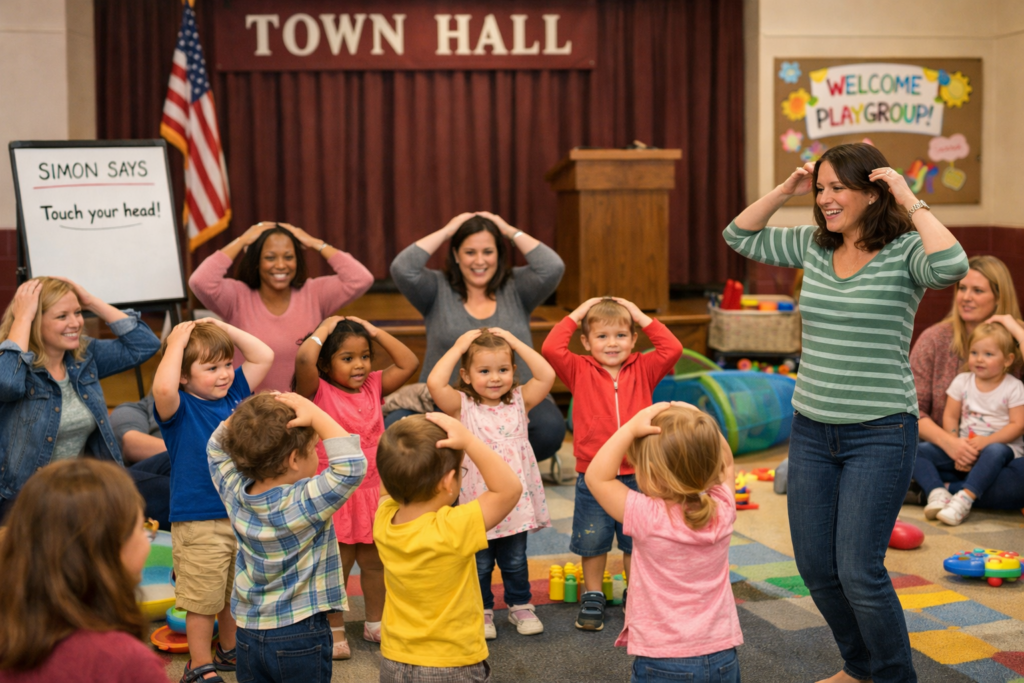
We can play the game Simon Says to think about verbs. In this game, you are asked to complete an action, jump, stretch, blink – but if it doesn’t start with Simon Says then you are out for attempting to complete the action. This is a type of verb called dynamic because there has to be some movement for the caller to see, and cite you as ‘out’.
Literary example – :
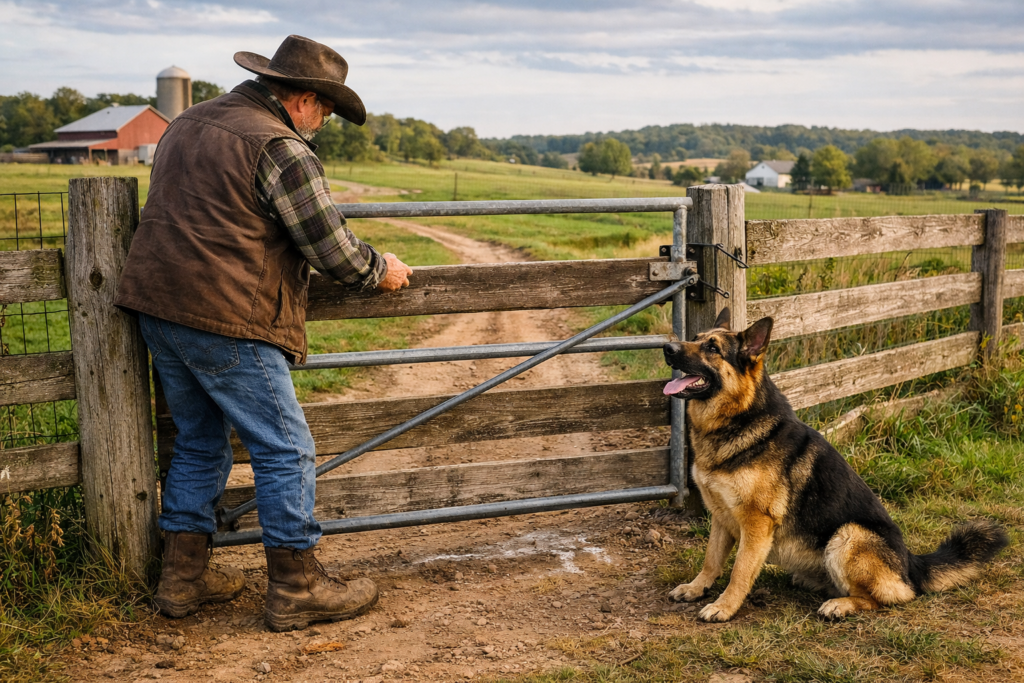
The dog crouched beside the gate, then sprang forward when the latch clicked.
The writer uses verbs to create sudden movement. The verb “crouched” shows that the dog is low and ready, while “sprang” suggests a quick burst of energy. The latch “clicked,” which makes a small sound become the trigger for action. These verb choices make the moment feel tense and immediate.
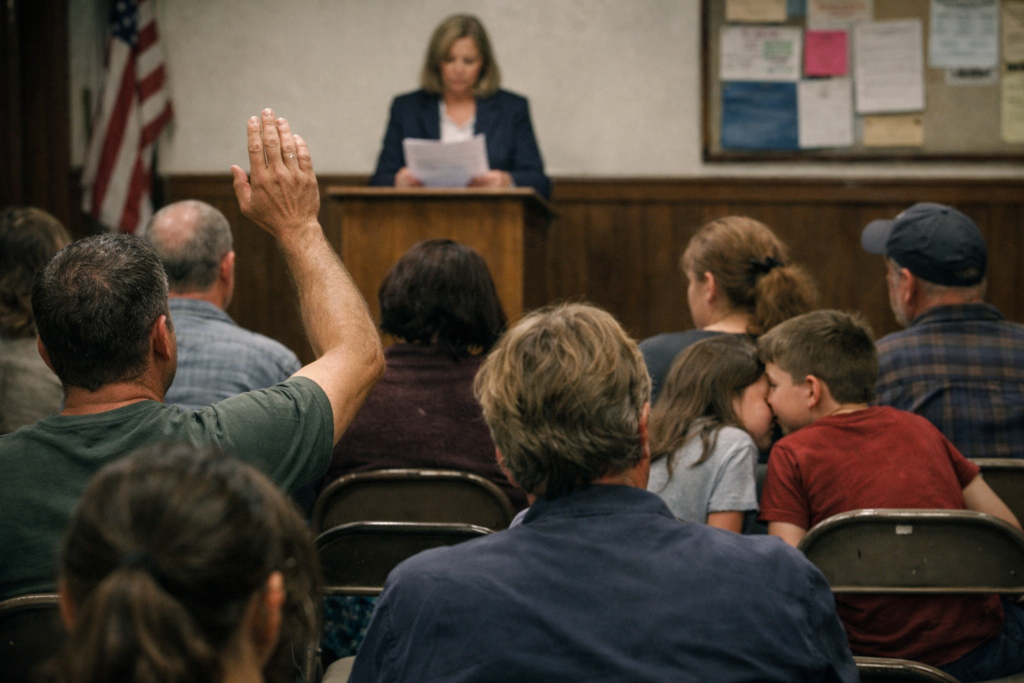
The councillor stood at the front of the hall and promised that the playground would reopen by summer. Parents shifted in their seats. One father raised his hand, but the councillor continued reading from the paper in front of her. At the back, a child whispered that the swings had already been removed. The room seemed to tighten around the words.
The writer uses verbs to show a contrast between the confidence of the official and the public’s unease. The councillor “promised” that the playground “would reopen,” so the modal verb “would” makes the claim sound certain. However, the parents “shifted,” which suggests discomfort or doubt. The verb “continued” implies that the councillor carries on instead of responding to the father’s raised hand. Finally, the room “seemed to tighten,” using a stative verb and a dynamic verb to show the pressure in the meeting. The verbs therefore shape the reader’s understanding of power, tension and uncertainty.
Now Apply To This To Our Text:
Students should now read the material chosen by the teacher and complete the following sequence:
- underline five verbs;
- classify them as action, dynamic, stative or modal where appropriate;
- choose two verbs that seem especially important;
- explain what each verb suggests about action, agency, certainty or feeling;
- write one analytical paragraph explaining how verb choices shape the reader’s understanding.
Exit Question:
Consider how differently a game of Simon Says would be if the game was made up of dynamic verbs, stative verbs and modal verbs… could it work?
Homework:
Choose a short paragraph from any suitable text. Copy out eight verbs. Classify at least four of them and explain how two verb choices affect the energy, certainty, agency or mood of the material.