
Literature as an academic subject is one filled with perspectives. What is literature, how is it defined, to what end is it’s purpose… For critics such as Terry Eagleton, literature is a political discourse. For Adrian Johns, it’s one of historicism and credibility. For Elizabeth Eisenstein, it’s one of print technology. For myself, Literature is a study in structuralism. Arguably, these perspectives all amount to the same set of processes (if not necessarily the same conclusion), that literary texts correlate to the world around them and are causal of the world we later obtain.
Structuralism is presented through these lessons as a layering of cultural periods, and of the many granular layers of meaning. The focus is on few very broad periods: Early English, Premodernity, Modernity and Postmodernity. Some sweeping generalisations are made of these periods, but the aim of this curriculum is to be a rigorous, academically informed and scaffolded for Secondary education.
One of the principle arguments of structuralists is that meanings, narrative or cultural identity are never simply erased as new structures are built. Each is maintained, recycled and contained in contemporary usage as layers of meaning. Words are given sign status, they receive significance through repetition and use, and new meanings become layered atop the old with the coming of new cultural periods. But this is a little difficult to imagine, the layering of sign systems in a historical timeline.
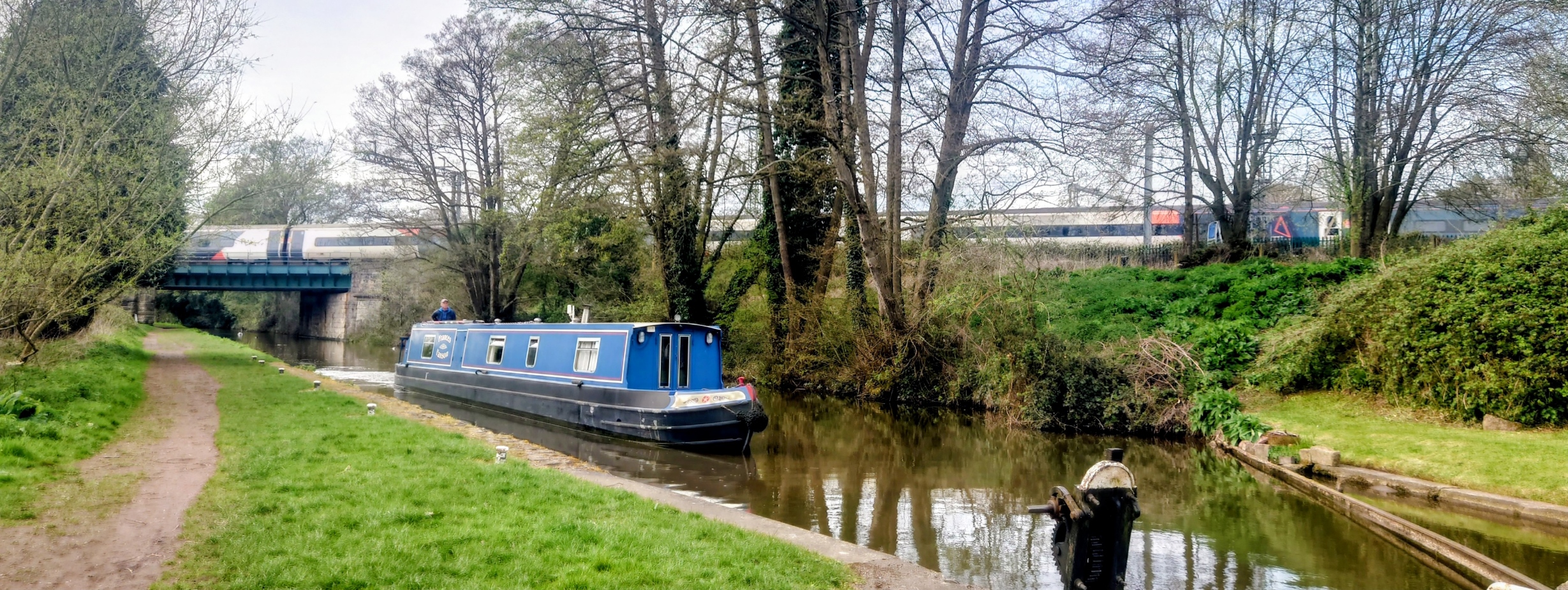
Structuralism exists in the physical world around us and exemplifies an otherwise highly abstract concept. For example, the canals of Britain’s waterways were never displaced by new physical structures. The railways thunder alongside them. The roads bridge over them. And in little places here and there, all three transport structures mingle and intersect.
The old world continues to exist alongside the modern, and each place in the physical world contains a layering of eras, each adding to the identity of the place. We often aren’t aware of that history, but it continues to influence the modern world from underneath, unconsciously or covertly.
Works of literature operate in this same way, and today’s literature is a built structure of historical periods. Each sign contains within it eras of symbolism, layers of meaning sequence as a timeline. Digging back through the eras of symbolism is like archeology, digging back through the history of civilisations.
In this way, all literary analysis is an act of archaeology, digging back through history to see why or how the symbolic meanings encoded in the past are still unconsciously, covertly controlling the symbolism of today.
Discipline of English intends to offer some instruction on this layering, giving students a language, tools of archeology. Ways of taking back the layers to the meaning below. And in a walk through Cannock, hitching a ride on a canal boat, under road bridges and beside railways, I couldn’t help think how Literary the whole thing was.
For DoE, this perspective of Literature as containing structural meanings is central to how Literature is defined. Decoding those layers into their historical systems is one of the most important skills a critic can develop.