Category: Procedures of Literature
-
What if every story is really the same story? A recent lesson began with a challenge to a common assumption in English teaching: that students learn Literature by studying individual texts. Instead, students were introduced to the idea of literary genealogy—the concept that all stories belong to the same enduring tradition and share a common…
-
You might be a critic if… requires some love of reading for sure, but literary study is not book club to spend time in the warm glow of a narrative. A critic is ‘reading’, ‘experiencing’ and ‘reacting’ differently to a mere reader-for-pleasure.
-
Much of the work in DisciplineOfEnglish.co.uk is centered around a critical perspective that requires more reading, more tracing, more historical contexts, more structural connections. Whether it be the factual defining characteristics, the historicity of sign systems, or the cultural theories which have all now been detailed extensively here – where ever you turn within this…
-
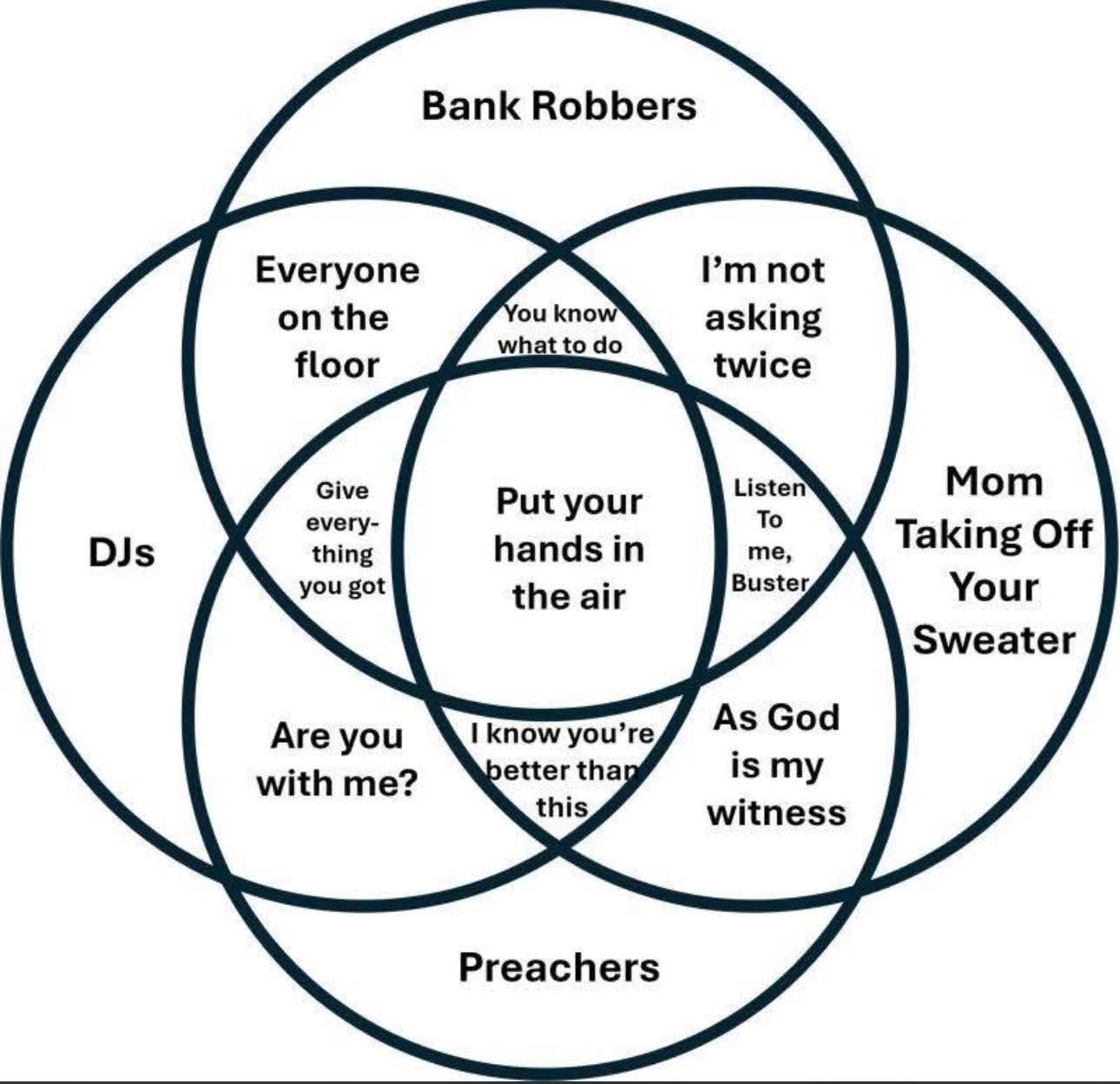
Words don’t have meanings, they get meanings. Structuralism is a difficult and abstract concept to understand, but there’s a meme that absolutely nails this.
-
Post-Structuralism has influenced the political and ideological world around us in visible and measurable ways – and handling this concept as a procedure can have significant influence on the critical lives of students.
-
A clear introduction to structuralism in literary criticism, exploring how theorists such as Todorov, Propp, Greimas, Lévi‑Strauss, and Barthes reveal the deep structures that organise narrative. This post outlines the core procedures of structuralist analysis and shows how meaning emerges from patterns, relations, and underlying narrative systems rather than from surface themes or authorial intention.
-
In this series of posts, we explore what procedures, routines or sequences a critical reader does when analysing a text. This area of Literature at secondary school is not well developed, and often the process applied to reading falls more into the realm of Literacy rather then Literature – that is, we develop reading capacity,…
-
Don’t retell the story, instructs the examiner. Then what pray tell, am I supposed to write about, asks the student. Well, its a range of content that is occasional in many Literature curriculum. Maybe we can demonstrate this problem here.
-
A glossary has now been added, and as the selection of terms comes from such a broad ocean of literature, it comes to reflect the identity of our curriculum.