
Choosing your subjects of study is a big moment, one that year 11 and year 13 students are facing right now. The next stage – year 12 and maybe higher education at university – is going to open a gate through an uphill field of thick weeds that one must carve a path through for years to come. If this isn’t a hill you are willing to climb, if this hacked path doesn’t lead to a view that you want to experience or that you feel is valued, then it might be felt a waste of time and the wrong gate to have opened.
But, it’s easy to fall into the trap of choosing a subject based on enjoyment alone. But is enjoyment of reading enough to dedicate the next few years of study, and the rest of your life on the qualification of Literature? You have to know if its right for you.
So how do you know if you are suited to the qualification of a ‘critic’? The concept of identity is beautifully answered by Jeff Foxworthy to those doubting their American sub-culture. It’s great fun even if you’ve never asked yourself if you are a redneck. But the best thing about this clear poke at identity is that it is almost entirely without criticism, accusation, exclusion or insult. The joke is as inclusive to those ‘rednecks’ as it is to everyone else.
You might be a…
So how do you know if you are a critic? And remember; the ‘critic’ is to Literature what the historian is to History, or the therapist is to Psychology. I want to split this into two concepts; the reader and the critic. A reader can become a critic, but a reader is not necessarily suited to the study of the Literature… But a reader might also find they signed up to a critical study they were not expecting…
How do you know if you are a reader?
You might be a reader, if you were taken on holiday, denied a Gameboy and given a book…
You might be a reader if you go shopping in a town centre and can’t find any shop of interest, until you come across a book store…
You might be a reader if you look at a bag and think… how many hardbacks can that fit?
You might be a reader if you’ve read a book twice… back to back…
You might be a reader if one of your core memories was being read to as a child…
You might be a reader if a book gave you chills…
You might be a reader if you love your kindle, but it just doesn’t smell right…
How do you know if you are a critic?
You might be a critic if you’ve already ticked off most of the above…
You might be a critic if you own two copies of a book, purposefully bought because they differ in editing and publishing…
You might be a critic if you group books on a shelf not by title, genre or author, but by era or period…
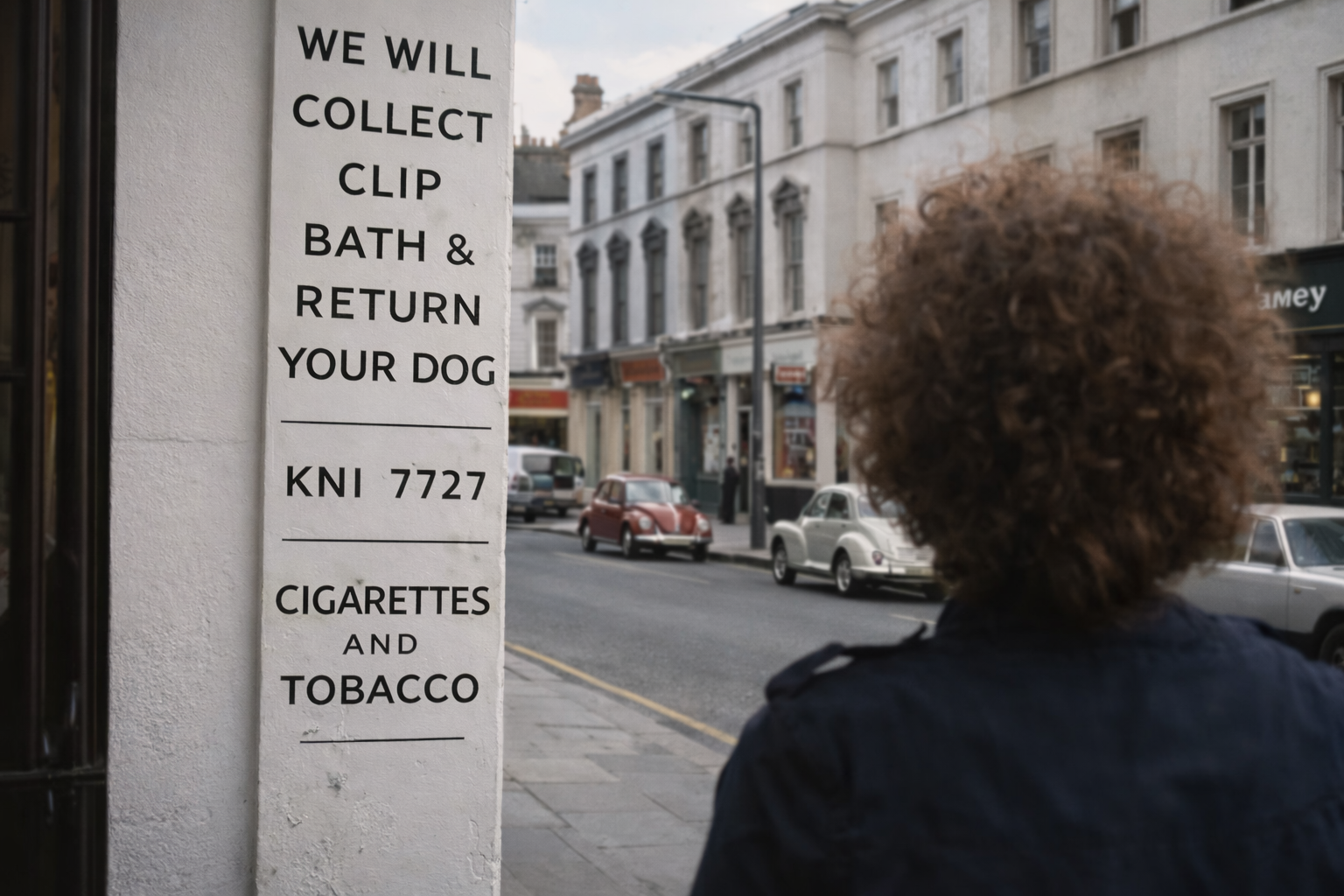
You might be a critic if you read a sign and refuse the intended meaning…
You might be a critic if you argue back with the radio…
You might be a critic if you see a distinction between art and power…
You might be a critic if you see the role of the writer as holding up a mirror we don’t want to look into…
You might be a critic if you start to think that you’ve read this book before somewhere…
You might be a critic if you the world around you starts to look more like fiction and less like reality…
You might be a critic if you respond to the world by stating the next event in this sequence was shown to us by an author…
You might be a critic if you look at some action like hanging a Union Jack and feel this is a deeply, politically motivated action hiding behind the story of pride and identity…
You might be a critic if someone ever said ‘It’s just a joke’ and you got angry because stories have consequences…
You might be a critic if you ever stood up against a bully…
You might be a critic if you’ve ever felt that someone should read a book, because they might learn something…
You might be a critic if you understand that the narrative of Literature can be more powerful than the facts of sociology, politics or history…
You might be a critic if your other options subjects include politics, sociology, history…
The reader versus the critic
A reader is ultimately some one who takes joys from the act of reading. Reading is a passtime that resolves issues, gives balance, restores calm. Reading is a pleasure to be past on to children. A critic is generally someone who enjoys reading in equal measure, but is doing something different with their reading. Yes, reading might be pleasurable, but a critic is likely to take pleasure as a secondary motiv to the act. When we talk about ‘teaching people to read’, a critic does not mean this in the same way that literacy means. Reading for the critic is not about developing one’s reading age, literacy score or reading level. It is about seeing books very differently to that of an enjoyable narrative.
Leave a Reply