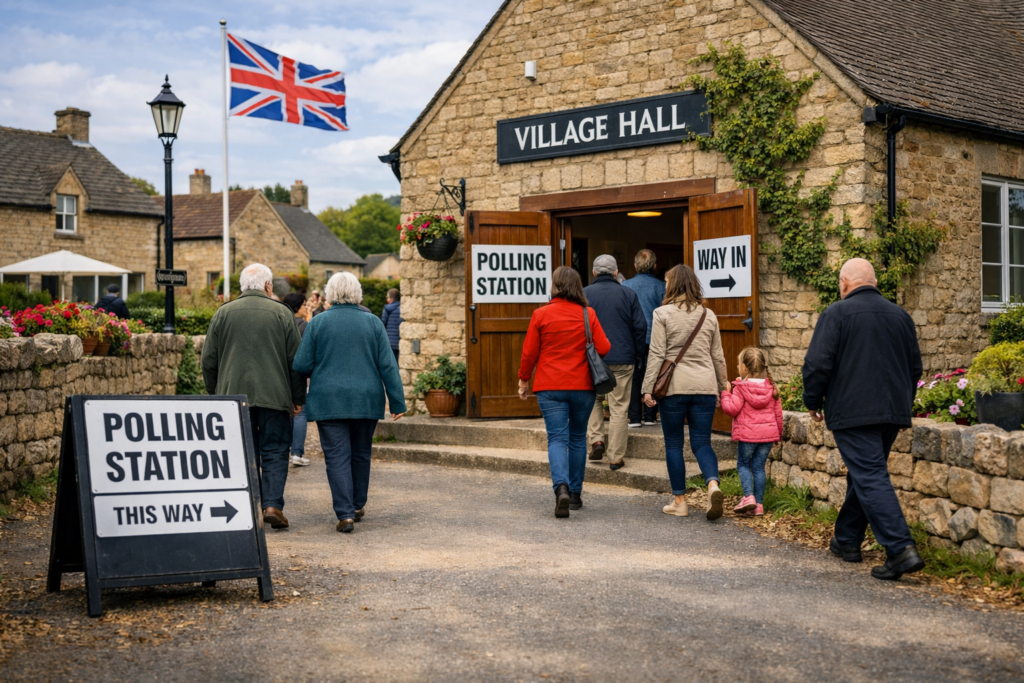
🗳️ Voting
- What does voting assume about people?
- Who decides what is best — one ruler, or informed citizens?
- Humans are capable of judgement
- Responsibility comes with choice
“The Enlightenment treats humans as thinkers, not followers.”
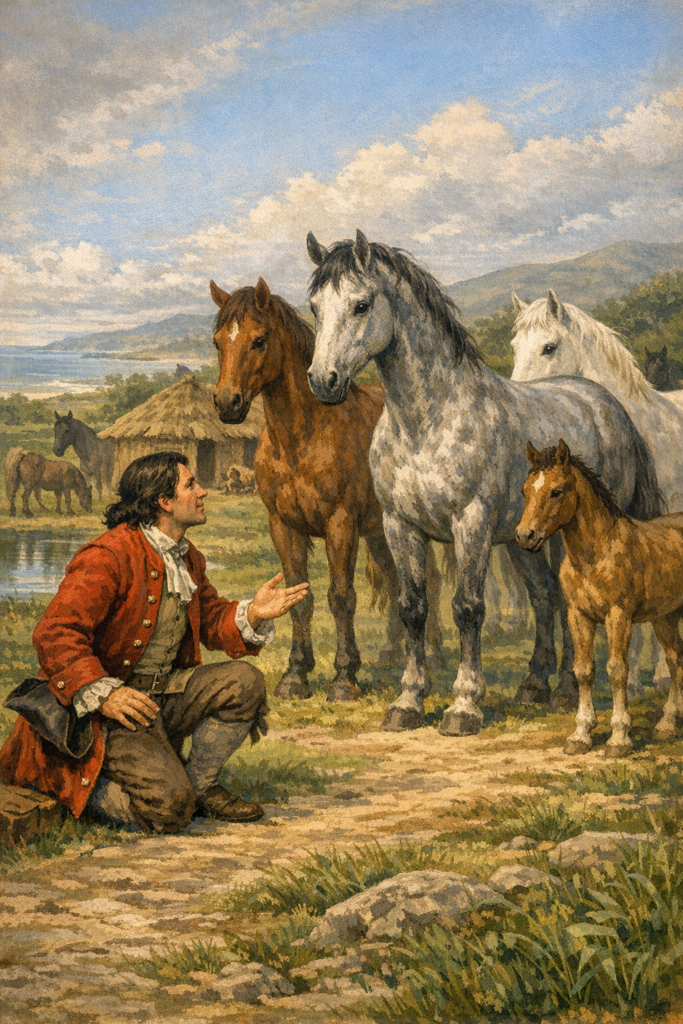
This extract is from Book IV, where Gulliver describes the Houyhnhnms (a race of intelligent and enlightened horses) and their belief that reason governs all things. The Houyhnhnms could be seen as an allegory for some societies of people who have turned away from religion as a source of truth.
“The Houyhnhnms have no word in their language to express anything that is evil, except what they borrow from the deformities or ill qualities of the Yahoos.
Their grand maxim is, to cultivate reason, and to be wholly governed by it. They look upon it as the foundation of all virtues; from reason they derive justice, friendship, benevolence, and every moral duty.
They have never heard of the least corruption; for if their reason teaches them to govern, it equally teaches them to obey. They understand the natural equality of all creatures endowed with reason, and therefore think it absurd to rule or oppress one another. They argue that reason alone is sufficient to teach them their duty, and that he who can govern his own passions by reason, needs no other rule.”
What does a response look like that synthesises the methodologies of this lesson with material?
This extract reflects Enlightenment ideas because Swift presents a society where reason is treated as the foundation of moral understanding, rather than tradition or inherited authority. The Houyhnhnm society has rules; “their grand maxim is, to cultivate reason, and to be wholly governed by it,” showing that rational thought is viewed as the basis for justice and virtue. Meaning is created through this emphasis on judgement: the Houyhnhnms “derive justice, friendship, benevolence, and every moral duty” from reason alone, suggesting that truth emerges through enquiry and reflection, and no longer on religious doctrine.
The Houyhnhnm seem to be an enlightened species because they place responsibility for defining moral ideals on their own rational thinking. This is a mark of Modernity, the period in which the church was now in conflict with other stories about where virtue comes from.
Why it succeeds:
- It recognises that literature changes in preriods,
- It recognises that authority comes from different places at different times (the church in Premodernity, human institutions in Modernity)
Student Task
Choose one moment in our current text where a character makes a decision that affects others.
- Explain how reason or judgement is involved.
- Explain what this reveals about human responsibility.
Provide scaffold:
This moment reflects Enlightenment ideas because __________.
The text suggests humans are responsible for __________.
Encourage focus on:
- choice
- justice
- accountability
- progress
- social change
Finish the sentence:
“Enlightenment thinking changed literature by __________.”
You are listening for:
- reason
- judgement
- human responsibility
- progress
a) Pre-reading of the next lesson – read through the knowledge so you can be ready to discuss in class.
b) Apply the learning of today’s lesson to your own private reading text. Write a paragraph explaining how today’s learning changes how you might conceive your text. Be sure to use the key vocabulary and sentence stems.
c) Write a paragraph about the discipline of Literature, explain how key words from today’s lesson impact the field overall.
d) Add today’s vocabulary and sentence stems to your own glossary. Highlight any that you are unsure about, but you must also research the meanings yourself and develop your glossary to include this differentiated support.
How did you do? Remember, this is the disciplinary knowledge for Literature – it needs combining with the text you are studying now. Can you use this knowledge to write differently about the text you are studying? When you are ready, access the next lesson in this series.