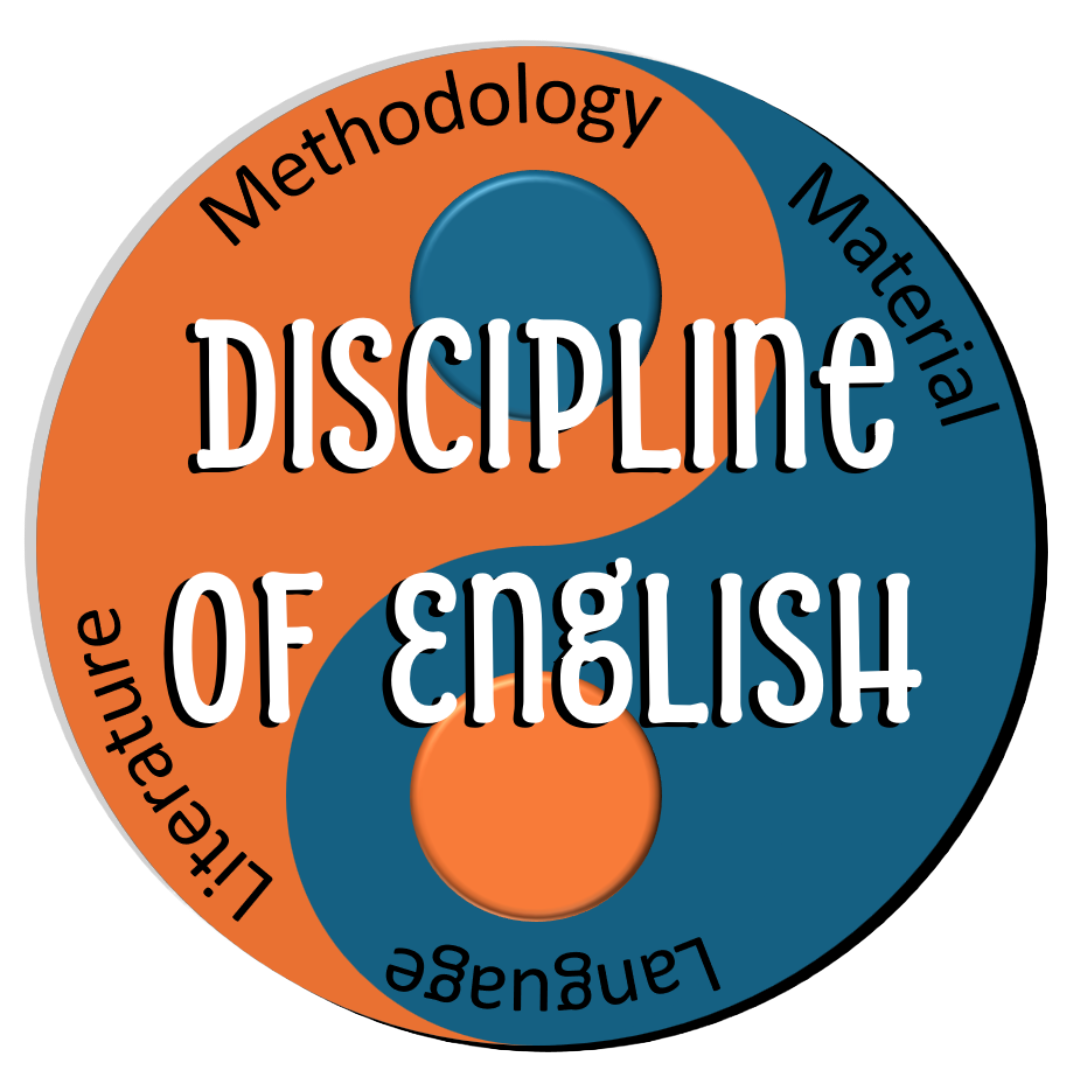
Anderson and Krathwohl delineate knowledge in cognitive domains into four taxonomical groups. The ‘facts of Literature’ is the first class, and can be thought of as ‘closed knowledge’, knowledge that is highly stable, and generally irrevocable. It is followed by a conceptual class of knowledge and it can be said that the factual class applies to all concepts, but all concepts do not apply to all facts. This course splits the factual knowledge into four areas;
- Defining characteristics,
- Early English,
- Premodernity,
- Modernity,
- Postmodernity.
Each area contains numerous lesson. These latter three are related to time periods; eras of culture. Each era carries a particular cultural identity which can be observed through the literature it produced. With the coming of each era, a new cultural identity is added as a layer atop the old and new eras do not displace prior eras. Each can be witnessed in literature like substrata in geology, the deeper you dig into the meanings within the text, the further back in time you can peer. Today’s texts often exhibit the full substrata of history whilst older texts can only exhibit the cultural eras preceding them.
The accumulation of eras gives today’s English literature depth and sophistication. Studying these eras and their contribution to Literature allows readers a greater appreciation of where meaning comes from and how it has reshaped over time.
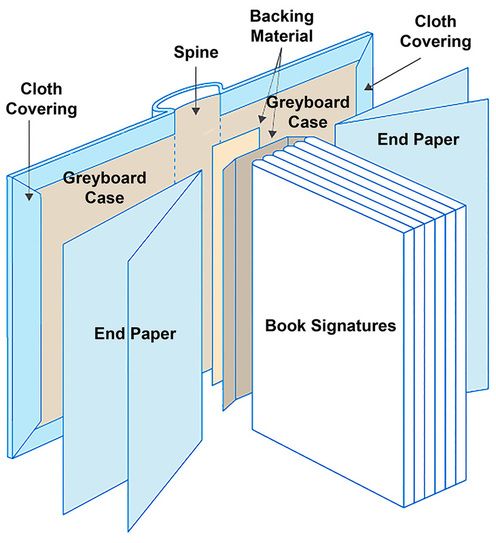
What is Literature? Is it a book? A story? Is it fiction? If so, does that exclude such non-fiction works as Ann Frank’s Diary? Actually, defining what Literature is, is complex, and not clear in the cognition or responses of most students. These lessons discuss the defining characteristics of literature, and can be applied to all literary texts. These lessons describe the abstract nature of the book, rather than the physical form it takes.

People have lived on the British Isles for a million years and most of their stories are lost to time. But we do know some things about the stories that existed, and elements from those ancient stories persist in today’s literature. These lessons explore the themes of those very first stories which can still be decoded in today’s work as an underlying strata of meaning.
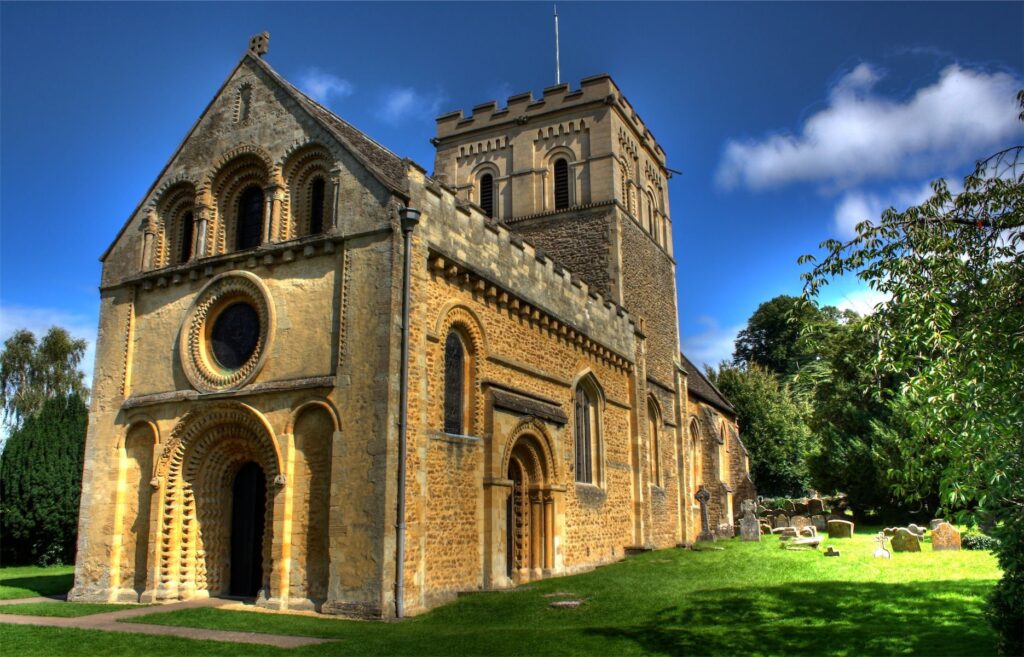
Once the Normans arrived in late 1000ad, Christian churches were constructed all across the British Isles. This led to a dramatic change in British culture, paganism declined, and a new kind of literature was formed. This added a new layer of narrative atop that of the Early English, it did not replace it. Now, two layers of historical encoding can be found, and is still present today.
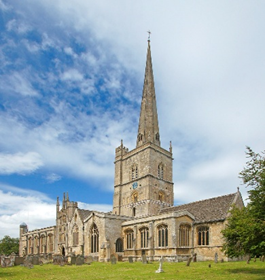
The church and crown held power over narratives told, but the 1600s saw a new incredulity to this authoritarian rule. Now science, rationalism and a kind of emotional awareness challenged religious doctrine. A new structure of universities, industries and printing press meant citizens had more power over their own lives. A third wave of meaning is now being encoded, and each can be discovered through careful reading of even today’s literature.

By the 1900s, a new kind of structure was being established alongside the structures of all other eras; the global logistics and the online world. This meant that citizens now shared cultures and spaces with other nations, our world has become irrevocably inter-connected. This fourth wave of meaning gives English literature a complex layering of meaning, where signs refer to the many layers, each one digging deeper into the stratum of our cultural history.