-

A quantitative review of respondents to a social media post; what does the curriculum of Literature look like when there is no book present?
-

Post-Structuralism has influenced the political and ideological world around us in visible and measurable ways – and handling this concept as a procedure can have significant influence on the critical lives of students.
-

Whilst the posts page contains a new teacher framed article on understanding structuralism, there is also now a lesson too. This lesson is within the procedures of studying Literature and explores a few of the conventional rules that have been outlined by academics already. True structuralist study will not happen at Secondary education (which is…
-

A clear introduction to structuralism in literary criticism, exploring how theorists such as Todorov, Propp, Greimas, Lévi‑Strauss, and Barthes reveal the deep structures that organise narrative. This post outlines the core procedures of structuralist analysis and shows how meaning emerges from patterns, relations, and underlying narrative systems rather than from surface themes or authorial intention.
-

Literacy occupies a paradoxical position in secondary education: essential to every subject, yet rarely treated as a discipline with its own expertise, curriculum, and professional knowledge. Despite sustained national attention, reports from Ofsted, the DfE, and the EEF show that secondary schools continue to see limited improvement in reading, particularly for pupils who enter with…
-

The dominant model of Literature curriculum preselects books on behalf of the student. Resources centre on this named text. And students are given no freedom to choose the book they are reading. But this isn’t the case in other subjects, so is it possible to give Literature students ownership of their exam texts? That is…
-

In this series of posts, we explore what procedures, routines or sequences a critical reader does when analysing a text. This area of Literature at secondary school is not well developed, and often the process applied to reading falls more into the realm of Literacy rather then Literature – that is, we develop reading capacity,…
-
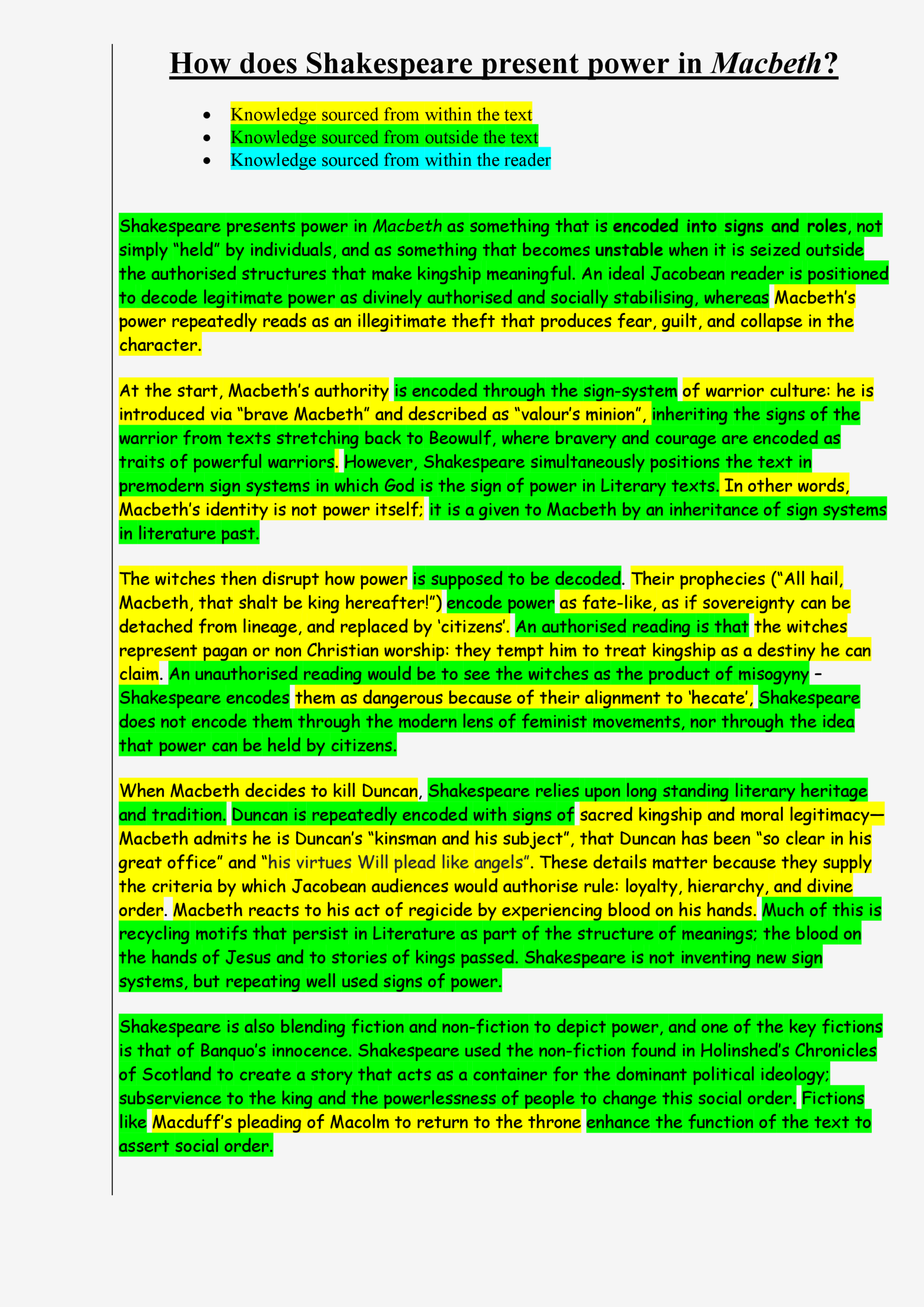
Don’t retell the story, instructs the examiner. Then what pray tell, am I supposed to write about, asks the student. Well, its a range of content that is occasional in many Literature curriculum. Maybe we can demonstrate this problem here.
-
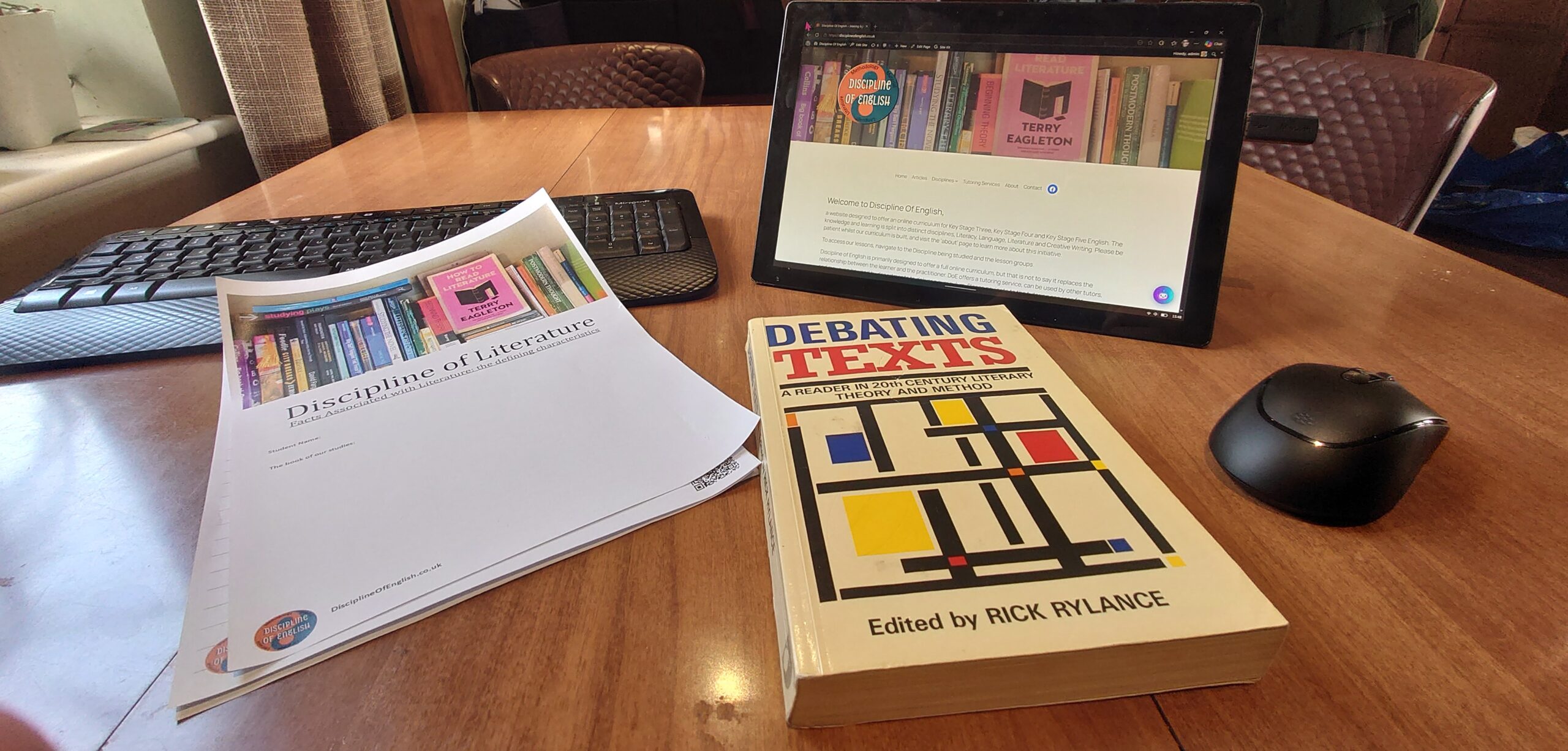
There has been a gap in my knowledge. I hold my hands up and announce; my degree was in English (not Literature), with a minor in Journalism. I was not trained academically in the procedures of Literature analysis. This has led in the past to what I now see as deficiencies in my delivery of…
-
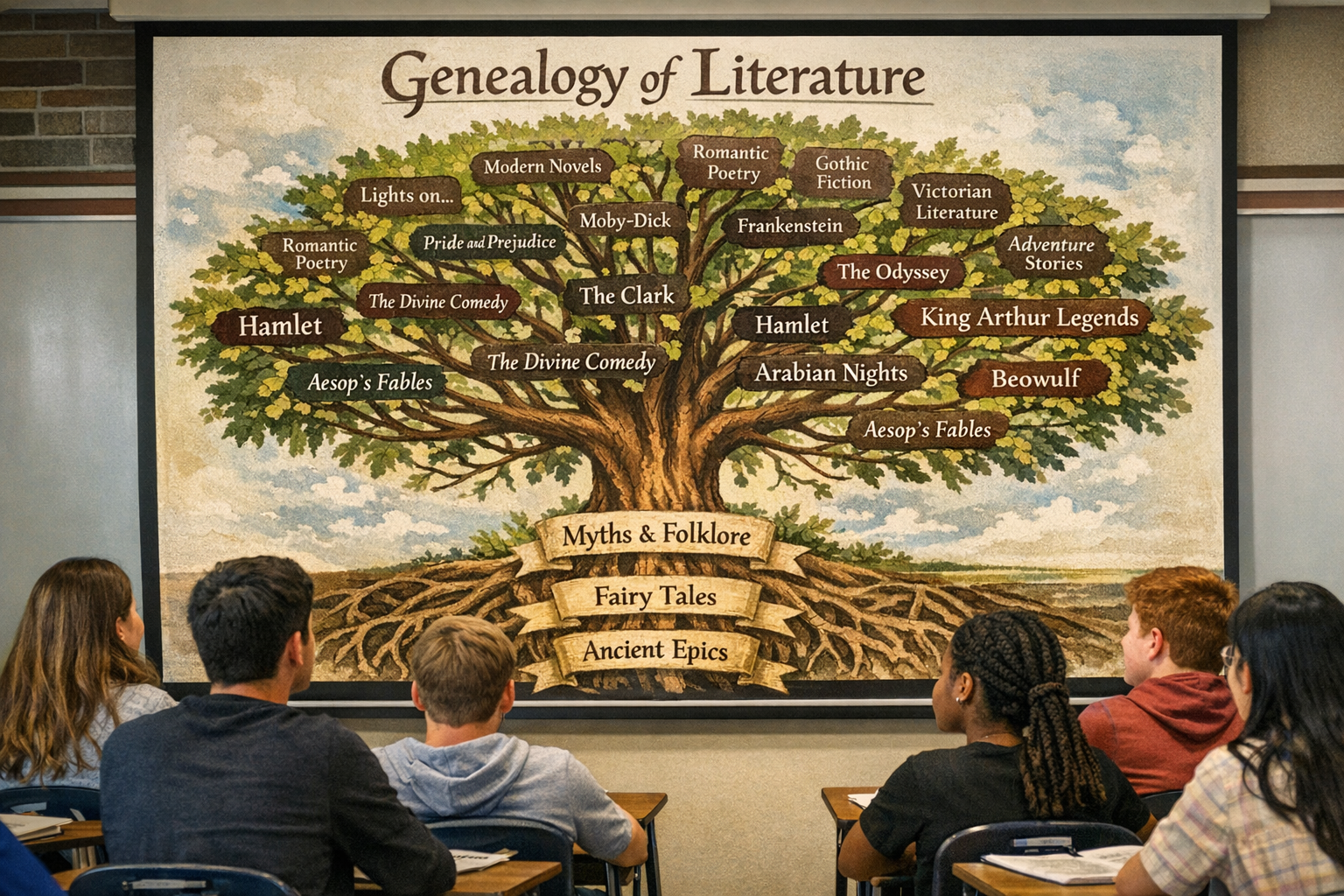
The curriculum structure being used by Discipline Of English was established by Lorin Anderson and David Krathwohl in their work on the Cognitive Domain. Their proposal is that cognitive domains require facts, concepts, procedures and metacognitions to fulfil their knowledge requirement. The facts (defining characteristics, measurable qualities, or stable attributes) and the concepts (terminology, patterns…
Articles
Opinion and Editorials
If you would like to contribute to the website and share your experiences, please get in touch. Our articles focus on the delivery of Disciplinary and conceptual Knowledge.